
- Prompts
- Handy Hints
- Writing School
- Trivia and Puzzles
- Creative Corner
- Dear Aunt Molly
- Interviews
- Lair of Madam Pince
- Character Interviews
- Writing Q and A with Ash
- League Table
Follow all important events of the International Wizarding School Championship here in the Wizarding World News. We also have a live Twitter feed, Facebook and an Instagram account for you to get day by day updates!
Prompts
Colour Prompts
When used well, colour prompts can substantially impact a story; however, they can be difficult to perfect.
A colour prompt can be used in many ways. It can be the colour of an important object, or the meaning of the colour (which will be provided) could be significant to the plot. For example, yellow would mean cowardice.
This article will be using a colour prompt from the season 3 practice rounds—[Colour] Black (Meaning: Elegance).
Using the colour itself
The first way to incorporate a colour prompt is to use the colour within the narrative.

In the issue one article on interpreting prompt guidance, we talked about object prompts and how merely mentioning the presence of a cup once would not be enough to obtain full points for the prompt “[Object] Cup”. It is the same with colour prompts.
If I were to mention someone wearing a black robe once in my story, it would not be enough to gain full points. However, it is important to note that more mentions will not necessarily mean more points. For example, mentioning black robes throughout a story set in Hogwarts would not satisfy the requirements that the prompt be significant to your story. This is because all students wear black robes. If I were to write a Princess Bride AU, the “Man in Black” is a significant part of the storyline and would gain more points than in my Hogwarts story.
You can also colour significant objects to set the mood of your story.
Using black as our prompt, we would create a room with black walls to set the tone for a suspenseful or horror fic. Similarly, a brightly-coloured room could signal a lighthearted, fluffy fic.
Note that the meaning of the colour is not being used here, but that the colour is being used to foreshadow the rest of the story. If using a colour prompt this way, you should be careful to set a significant portion of your story in the space with that colour and ensure the colour itself is necessary. It would be of no use if I mentioned my black room once and never referred back to it, but if my hostage can feel the darkness of the walls pressing in around them, it will add a significant element to my plot. The more my character interacts with and is impacted by the black walls, the more significant the colour is to my plot. For example, the blackness of the walls may cause the hostage to feel suffocated and despairing; the hostage may be frightened of the darkness caused by the walls and bang on them, desperate to get out.
Using the meaning of the colour
The second way to use a colour prompt is to use the colour’s meaning within your story. As there are usually multiple meanings ascribed to any one colour, we will provide you with the meaning that should be used.
With our current example, the supplied meaning is “elegance.” If you are using the meaning of a colour prompt in your story, it must play a significant role—it would not be enough to mention that someone looked elegant and then never bring it up again.
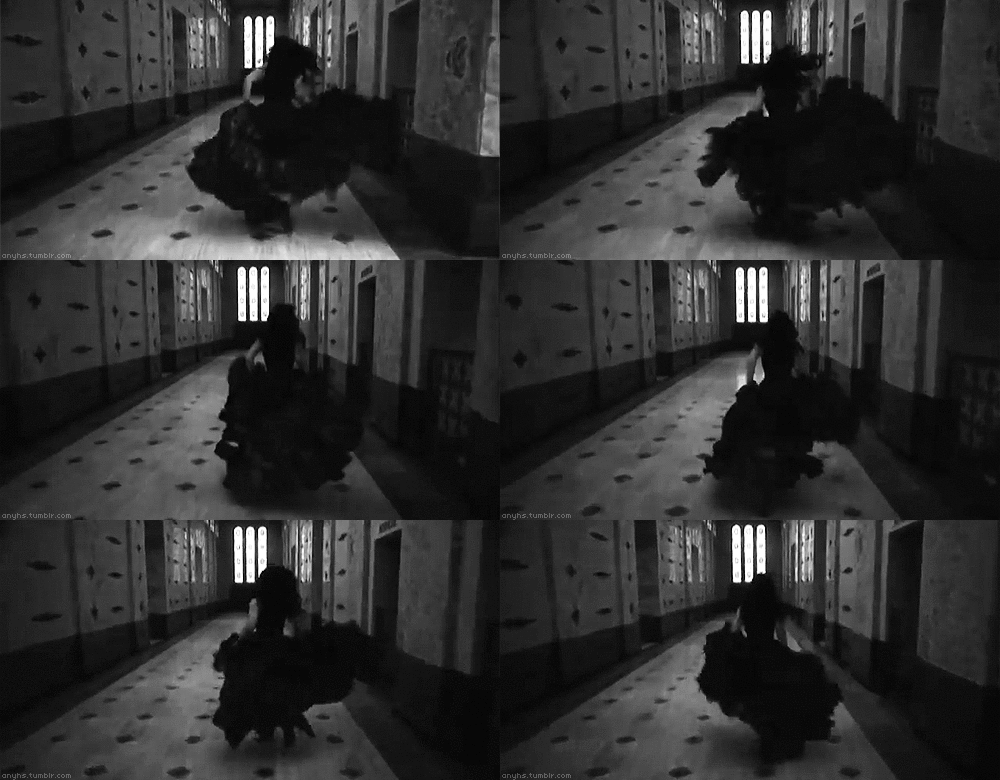
For elegance, we could perhaps write about a traditional pure-blood ball, whether it be a Yule Ball, a coming of age ball, or something else. We could describe the glittering chandeliers, how the wall hangings have been draped, and the couples moving in and out of the set dances. While you may use the word “elegant” within the narrative itself, you can also show elegance by painting a picture of elegance with the words you choose to use.
Alternatively, you could centre your story around a character who is particularly elegant. By carefully choosing how they move, how they speak, what they wear and what they choose to do you can make their elegance clear to the reader without overusing the word itself.
When using the meaning behind a colour prompt, you may use alternative forms of the word—for example, you could use elegant instead of elegance, and still be eligible for full points.
Handy Hints
Writer’s Voice

Have you ever been told to ‘find your voice’ as a writer? I have, and I found it frustrating. I like logic, and this statement always feels like a vague cliche with no real advice on how to achieve the goal. That’s why I did a lot of research into the writer’s voice.
“When you are trying to find your writing voice don’t try to emulate any writer, not even your favourite. Sit quietly, listen, listen again, then listen some more and write out everything the voice says with no censoring—none—not one word.”
— Jan Marquart
What is the Writer’s Voice?
Like your actual voice, with your accent and dialect, your writer’s voice is unique to you.
Your voice is encompassed by:
- Your point of view.
- The way you structure sentences.
- Your use of description.
- Your choices, such as whether to use metaphors, similes etc. or not.
The trick is to find your voice and understand it. I have pulled together some exercises to help you do just that. Remember, there is no right or wrong; your voice is you.
Exercise One: Make a List
The connection between writing and reading is strong. Often, we imitate our favourite authors and stories, and that can be seen—to an extent—in writing fanfiction. This exercise is essential because it will help you understand what inspires you and what your taste is.
Step 1: Make a table two columns wide and five rows long. Make sure you have plenty of space.
Step 2: In the left column, write the names of your five favourite authors.
Step 3: In the right-hand column, write down everything that you love about that writer. To take it a step further, note which of their works you particularly favour.
I have completed this exercise, too. If you want to see my list, click here.
This exercise is about discovering what influences you and what you enjoy. Which characters do you find the most satisfying? Is there a particular style or genre that triggers your imagination? Is there a writer that constructs sentences that you love?
Exercise Two: Tagline
This might sound like nonsense that isn’t going to help you at all. There is a purpose to this, though. If you can do this, you are identifying what makes your writing, yours.
You want to limit yourself to three words. This technique is often used to categorise movies or books. For example, The Matrix: mind-bending, dystopian, dark.
Before you do anything, describe your writing yourself. Use only three words and don’t share them with anyone. It’s a good starting place, and it will often tell you what you want to hear. Then, ask someone who has read your work to describe your writing in three words. This tells you how a reader perceives your work.
As with the previous exercise, I have asked some friends to describe my writing in three words. I have also described my writing myself: purposeful, smooth, passionate.

Claude Amelia Song gave my writing the tagline: ‘Passionate. Heart-Breaking. Beautiful’ Not too shabby. It was also lovely to see that Claude Amelia Song saw something that I wanted her to see.
Hemlock read two of my stories and said: ‘The three adjectives that come to mind are crisp (your writing doesn’t over-complicate anything; it’s both tidy and concise), unambiguous (there’s occasionally room for interpretation, but mostly your style is direct), and thoughtful (it’s serious but not ponderous).’
Both of these taglines help me to understand my style a little more. With both readers, there are elements that they caught that line up with what I want to show and what my passions are.
These can also help me to fine-tune my voice. I can see that I am very heavy-handed with emotion, and something I have always wanted in my writing is clarity. If I were to change anything, it would be that I want my writing to be a little more open to interpretation, but I would like to have a clear message come through.
Exercise Three: Freewriting
This exercise sounded daunting to me when I first read it, and it still does now. Freewriting is also referred to as ‘stream of consciousness writing’. You simply write word after word without judgement, thinking, or editing. It’s for no one’s eyes but yours, so write without the limitations of structure or purpose.
The aim is to tap into your subconscious where there is no inner critic. There isn’t a saboteur telling you that you, “You can’t write that! You’re not good enough.” You shut down that voice that’s nitpicking every word choice.
Step 1: Get comfortable and have whatever writing implements you are using ready. Make sure you have no distractions and then clear your mind.
Step 2: Get yourself a timer. You can use a sprint bot through Discord; a resource called Tomato Timer; your phone, anything. For your first time, try two minutes, which might not seem like long, but you’re practising, and that’s okay. Once you have done it a few times, start setting a timer for five or even ten minutes.
Step 3: Write without editing. Don’t cross anything out. In freewriting, everything stays. If you’re stuck on what to write, write that.
The finished product may not, and probably will not make any sense. The beauty of this exercise is the rare magic that can happen. You might have a plot spring up from nowhere. You may invent a crazy new system of magic or find a tangled mystery.
This exercise isn’t necessarily about those things; it’s about stretching unused muscles. By letting your subconscious take the reins, you’re bringing the hidden and unused writer’s voice to the surface, the more you train this skill, the more active it will become when you’re writing in a more structured way.
Exercise Four: Have an Interview
This exercise will reveal more about you as a writer. It’s something I have done without thinking about it; it’s my fantasy world.

The idea is to imagine that you are being interviewed, for me, it’s usually by Graham Norton, but that’s hardly the point. Make a list of the questions you think your interviewer would ask, and the questions that you want them to ask.
Why these questions? What themes are these questions pulling out of you? I have found that in this space, I gravitate to talking about the themes that are closer to my heart, and therefore those themes come out in my writing. The questions you want to ask can help you see where your writing is now, and what you want your writing to become.
Write them down, have something you can go back to when you’re struggling or want to find the purpose of a particular piece of writing.
Exercise Five: Explore Personal Interests
For this exercise, you want to imagine that you have to make a speech or write a blog. It’s on a topic that interests you. You have five minutes of speaking or reading time to fill with this project.
Use your interests to inspire your writing. If it’s a particular setting, for example, my mother can talk about Hawaii and their whale watches all day. If she were a writer, she might be inspired to include important themes on conservation and protecting endangered species of whales. In that, we learn more about the author because a piece of them is inside their work.
Remember, it can be more abstract than that. You can’t include whale watching in every story. Your varying passions can come through different characters, making them feel more real and whole. I am passionate about art, and I often will include one of my artistic interests in an original character or a lesser-known character in fanfiction.
Exercise Six: Reality Check
This one is perhaps the most important and the most useful. It’s all about being self-aware as an author by reading your latest bit of writing and being honest about it. Ask yourself questions about this piece of writing. Answer honestly, and remember it’s all about growth.
Here are some helpful questions to ask:
- Is this something I would read?
- Would this pique and keep my interests?
- Did I enjoy writing this?
- Was I influenced by something outside of myself, such as the audience, a deadline?
- Does this feel true to me and what I want my writer’s voice to be?
After reading my latest chapter (Chapter 13) of It’s Bloody Better: Harry Snape and the Time Paradox, I answered these questions, and these are my answers:
Is this something I would read?
Yes, I would read this. It fits my tastes.
Would this pique and keep my interests?
It would pique my interest, but it wouldn’t keep it. It lacked detail and clarity and the emotion that had been pointed out by other writers in the ‘Tagline’ exercise. Those are aspects that I am proud of and keep me interested in a story.
Did I enjoy writing this?
I didn’t enjoy writing it at all. I felt like there was a lot of pressure, and my focus was getting words on a page. I didn’t feel excited or inspired. I started out excited, and when I planned it, I had a great image of what this chapter could be.
Was I influenced by something outside of myself, such as the audience, a deadline?
I think the reason I felt the above is because outside sources influenced me. I am aware of the time between chapters being posted, and I feel like a disappointment to my readers when it takes me so long to update. I feel like I have reacted to this with a “something is better than nothing” mentality.
Does this feel true to me and what I want my writer’s voice to be?
As to whether this feels true to me and my voice, it does, but to a point. The idea does, but not the execution. I think the story is driven less by a purpose or point of view and more by a favoured pairing and trope.
This exercise has taught me that I don’t do my best work when I am stressed and trying to reach a deadline. For the next stories that I write, I have made the conscious decision not to post chapter one until I am finished with the final chapter. I might tweak between post dates, but I will be finished enough that the pressure doesn’t affect the quality.
Exercise Seven: Perspective
No one has the same perspective as you. This exercise is about finding that perspective and bringing it out in your writing.
You can write characters with a variety of perspectives, but the view of your writing is a different thing entirely. The themes you choose, how your characters open up, reveal themselves and develop all comes from your unique view of the world. This world view will influence you in a significant way.
This is something that I think you can see in the IWSC.
Each school is given a theme, and seven different writers will look at that theme and each write something different. I am incapable of writing like any of the other Mods. Each of the Headmistresses and Admins has grown up in a different country or state; we’ve each lived a different life with a very different upbringing. I have things in common with the mod team, but I am incapable of being any of them. Reading their writing is fascinating because I get to see things through their lens instead of my own.

Do you know what your perspectives on the world are? Ask yourself about love, loss and forgiveness? Think about this in the current round—heartbreak, dictatorship, casualties, corruption, vigilantes—think about what you are writing and how you are writing it.
Take the time before you plan your next story to ponder your point of view on that given theme. Meditate on it to better explore it in your writing. Describe your perspective through the story.
A writer’s voice is about letting your readers know who you are. The more you discover how to inject it into your writing, the more unique your style will become. Every reader is looking for something new, even if they favour specific themes and genres. Use these exercises to stand out from the crowd, and maybe get you that JP that has been so elusive up to now.
Ash’s Quick Tips

The rules behind the ellipsis (plural: ellipses).
– Use an ellipsis to show an omission.
Example: “… the public is warned that Black is armed and extremely dangerous.”
→ The ellipsis indicates the omission of the beginning of the sentence, which Harry arrived too late to hear.
– Use an ellipsis to indicate a pause.
Example: “Then he could get the rest of his money out of his vault and … begin his life as an outcast.”

– Use an ellipsis to indicate a sentence trailing off.
Example: “Perhaps he’d finish this essay tomorrow night …”
Be careful: The UK and US differ on whether an ellipsis can replace other punctuation.
UK example: “No need to fuss, Petunia, I have a very firm grip …”
US example: “No need to fuss, Petunia, I have a very firm grip ….”
→ In the US, when an ellipsis ends a complete sentence, use three dots plus a full stop (or a question or exclamation mark).
Be careful: Various style guides call for various types of spacing around ellipses. They’re all correct, but be consistent within your writing.
Examples:
- “Like a dog … but massive …” → Spaces on either side of the ellipses.
- “Like a dog. . .but massive. . .” → Spaces between the dots.
- “Like a dog . . . but massive . . .” → Spaces between the dots and on either side of the ellipses.
- “Like a dog…but massive…” → No spaces anywhere.
Be careful: Ellipses have a lot of uses, but never overuse them. There are other, more stylistically complex ways of conveying what an ellipsis does. Always going for the easy option is the sign of a weak writer.
Writing School – Fictional Letters

In this edition of writing school we will be learning how to create and write fictional letters
- It’s not necessary to start every entry with “Dear xx.”
You can do it once to frame it and then skip over that part in any following letters. Or you can decide to skip it altogether and just write a selected portion of the letter that jumps out while putting the rest in a short description.
Example:
She had written about her family visiting, fairly boring stuff, but one sentence stood out.
I liked having them with me, but Uncle Jeff just makes me uncomfortable sometimes. I’m probably being overly sensitive.
Finishing the letter with a frown, he couldn’t help but replay her words in his mind.
- Letters are not the same as dialogue!
A conversation has many spontaneous elements due to its unpredictability. As a consequence, there are imperfections like filler words and speech disfluency.
Example: um, uh, er, ah, like, okay, right, and you know.
These do not happen in letter-writing as it resembles a planned monologue.
Characters also might use more complex words and sentence structures, keep their thoughts in better order and use literary devices like metaphors, alliterations, etc. more often.
- Letters are very character-centric
They are written from the point of view of one character, usually in the first person, and carry the tone and personality of the character writing it.
- Selective memory and time passing
Remind readers that the events in the letter happened before they were written down. Some details might have been forgotten until then, or the character has made up their mind about something in hindsight.
- Remember that your main character is writing to one specific person
This doesn’t just include that someone has to be directly addressed by the letter. Keep in mind that what has happened and what your character writes to the person they are addressing may be completely different things. Perhaps they would censor certain events depending on their relationship.
- Summary of events
In letters, people often tell more and show less. For instance, it would be unusual in a letter to fully recount a piece of dialogue word for word. Instead, they tend to summarise events and jump ahead to the big plot points. If you want to go into detail, give them a personal reason to do so.
- Be careful with exposition
Sneaking in the information that characters have no reason to state because both sides of the conversation know about it is called “as you and I both know”-dialogue. It’s obvious and tacky exposition. The same can happen to your letter-based narration if you aren’t careful.
One way around this issue is for your letter writer to address someone that they believe to be ignorant or the character reading the letter thinking about the contents of the letter while reading.
- Mind the medium!
Letters have become rather outdated, so if your story is set in the present, you might use different forms of written communication (e.g. emails, chats, notes, diary or blog entries). They all have different preconditions. The recipient, velocity, state of mind of the sender, the formality and ‘setting’ it’s used in, and many other factors influence how it’s written.
DRABBLE:
For this round’s drabble, write at least two letters into your plot in one form or another. They can take any shape or form—for example, a small note on the fridge or an e-mail. You don’t need to write all the contents of your letters. Your story will be rated on how well you work the letters into your plot.
Your prompts this round all include something blue:
- (Action) painting a sky
- (Potion) Draught of Peace
- (Object) tears
- (Quote) “Honestly, what I think set everything off is when I cut my hair off when I was 16 and dyed it blue. After that, I just felt so free and wanted to experiment with my look.” – Kylie Jenner.
Deadline: 27th March 2021 2pm UTC
Find the rules for this challenge in our rules and regulations thread!
Trivia and Puzzles
Welcome to the Trivia and Puzzles section of the WWN. Have fun and win points!
These quizzes and puzzles will always follow the books over the movies, so in case of disparity, the book-correct answer will be the right one. The answers to Trivia and Puzzles can be sent to the competition account on FFN: The International Wizarding School Championship, or emailed to the competition at wizardingschoolchampionship@gmail.com, until the end of the round.
The Trivia and Puzzle are worth 5 points each. The winners will be drawn by an admin from a magic hat and announced in the following issue. If we receive up to 10 entries, 1 winner will be drawn; if we get more than 10 entries, 3 winners will be drawn!

Deadline: 27th March 2021 2pm UTC
Issue Four Winners!
Last round’s puzzle got less than ten correct entries, so while trivia has all three winners, there is only one puzzle winner this round! And they are … *cue drumroll*
Trivia:
- Lady Sloane from Beauxbatons
- QuickSilverFox from Ilvermorny
- ClaudeAmeliaSong from Durmstrangs
Puzzle:
- Loverloverlover from Beauxbatons
Congratulations to all the winners!
Trivia — How well do you know Harry Potter and the Order of the Phoenix?

- What championship title did Dudley possess by the beginning of the fifth book?
- What charm did Molly put on the kitchen to guard against extendable ears?
- What material were the goblets in no. 12 Grimmauld Place made of?
- What was Mundungus doing the night he was supposed to be tailing Harry?
- What did Neville get for his 15th birthday?
- Who was chosen as the male Hufflepuff prefect in the fifth year?
- Name all thirteen witches and wizards who were in the Order of the Phoenix during the first war, but not the second?
- Who else was in the Hog’s Head Inn when Harry, Hermione, and Ron entered it for the DA proposal?
- Which wizard at St Mungo’s believed he was a teapot?
- By what Educational Decree was the Quibbler banned from Hogwarts?
Puzzle — Hogwarts Staff
| – | A | B | C | D | E |
| 1 | I am a Death Eater. | I took over teaching when B4 was removed from her position | The person to my right is the Head of my House. | Beside me is a person who obliviated people and took credit for their deeds | My portrait relayed information from the headmaster to the Black house. |
| 2 | I am an ex-Auror. | I am the school nurse. | I learnt how to fly on a Silver Arrow Broomstick. | I lost a lot of my limbs before I retired. | I died in my sleep in the staff room. |
| 3 | My successor slayed Nagini. | Voldemort possessed the back of my head for a full year. | The only man Voldemort feared. | I was the headmaster when Tom Riddle Junior was in school. | I was stunned by four Aurors at once and survived. |
| 4 | I was a substitute teacher for D4’s class. | Hermione Granger detested my class. | I am a Squib. | I was falsely accused of opening the Chamber of Secrets and murdering a fellow student. | I am a werewolf. |
| 5 | I was rumoured to have had an affair with the caretaker of Hogwarts. | I was notorious for having favourite students. | I impersonated the man in A2. | I am an Astronomer. | I was despised by the students and staff alike. |
Creative Corner
Hello, all!
Welcome to the Creative Corner. We had some fantastic characters sent in for the previous challenge! It was really hard to choose the most original, well-rounded, and interesting characters, but we did settle on three winners. Check out the winning characters below. The other submissions will be posted to the Creative Corner page!
Congratulations!
First Place – KeepSmiling1 – Durmstrang
Second Place – Lady Sloane – Beauxbatons
Third Place – QuickSilverFox3 – Ilvermorny

This round’s challenge is called ‘Just Paint’, which means that paint is the only medium you can use. You can use any form of paint that you like: oil, acrylic, watercolours, face paint, but there are some other rules that you will need to think about.
- The art must be your work.
- It must involve a form of painting.
- It must relate to the wizarding world.
- You can use any form of painting, be it a painting app, face painting or even make up
Each student can submit one piece. Each submission will automatically gain 3 points. The winning painting (or sometimes top three depending on the number of submissions) will get an extra 5 points for their team.
You should email them to wizardingschoolchampionship@gmail.com and include: Pen name; School; Year
Deadline: 27 March 2021 1 pm UTC
Dear Severus Snape
As this column is particularly popular—most likely owing to the fantastic advice—I have had to start categorising my responses. Today I will be unleashing advice on friendships.
Friendships are something that I excel in. For example, my friendship with Lily worked so well that she refused to fall in love with me. I had lots of friends in Slytherin; they always asked me to join their study groups, and they never bothered me with idle chatter unless there was a looming exam. The Dark Lord insisted I become a Death Eater because my skills made me indispensable. He must have liked me; I was the only half-blood on the team.
So, to all you lonely losers who want some friends, take note.
Dear Severus,
I believe one of my closest friends is becoming a bit of a workaholic. He refuses any invitations sent to him, citing work concerns involving his potions and brewing times, and it is getting both worrisome and slightly insulting. I appreciate he is a very busy man, but surely some balance is needed.
How do I convince him to take a break?
Lucius Malfoy
P.S. Narcissa says dinner is at 6 this Friday, and she would be most pleased to see you there.
Dear Lucius Malfoy,
Fine. I’ll come to dinner.
As this is an advice column, I would like to state that you are becoming needy in your old age. Clingy behaviour often drives friends away, and most likely this is why your “friend” is working all the time. Your desperate behaviour has made teaching idiots rudimentary potions seem appealing!
The best friend a Death Eater could ask for
Severus Snape
Dear Professor Snape,
I am having a little trouble finding a present for my best friend, Pansy Parkinson. Her birthday’s this Friday. Is there perhaps anything that you could suggest?
—Daphne Greengrass
Dear Miss Greengrass,
I find it hard to believe that Pansy is your best friend. I always knew what to get for my best friend, Lily Evans. In fact, I would say no one knew her better than I! You, on the other hand, are asking your sixty-something ex-professor for advice… maybe you could get her a decent friend.
The best friend
Professor Severus Snape
P.S. I once found a doodle of Draco Malfoy, naked and wrapped in a bow, on her homework, maybe you can do something with that.
Dear Professor Snape,
My housemates tell me that it is good to face one’s fears and have dared me to send an owl to you. Please don’t take points from Gryffindor. I’ve proved to them that I’m brave, and that should be enough, right?
Sincerely,
A scared Gryffindor
P.S. My housemates said that I should ask you when the last time you showered was.
P.P.S. I beg you to not take points from Gryffindor or disparage me too harshly.
Dear Scaredy Pants,
I highly suggest we re-sort you. I have never met such a cowardly lion, and I saw Longbottom when he tackled his first Boggart—he practically wet his pants.
Please see below for a breakdown of house point deductions.
1. Five points for writing a letter without a clear and appropriate question.
2. Ten points for your being a coward.
3. Forty for criticising my shower schedule.
Yours Sincerely,
The Cleanest Professor
Dear Severus,
Do you know why the malaria parasite decides after two days to commit to sexual differentiation?
Please let me know if you do.
Love,
A student
Dear student,
I do not do Muggle Science… or is this a sexually transmitted disease? I will admit, I have very limited experience where sex is concerned… well… none really.
Sincerely,
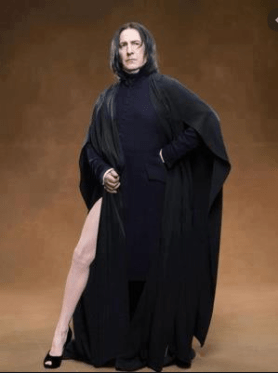
Professor of Potions
P.S. Just because Potions looks like something called ‘Chemistry’ it doesn’t mean I go in for that kind of thing!
Dear Severus
Have you ever been to Africa? Is there a spell or potion that keeps you safe from malaria?
Not asking for me but for a friend…
Dear nameless individual,
It is only polite to sign your letters with a name—real or fake. I am now in a position where I need to think of something to call you, but I am on my last warning where name calling is concerned.
I hear Africa is hot. Therefore, I would need to wear shorts or something equally ridiculous. I think this fact gives you all the information you need to deduce an answer.
Severus Snape—a wearer of full length robes
Dear Severus,
It is well known that house-elves cook, clean, and do many other things around the castle. I was wondering what your opinions on them are, and if you believe they should be paid or not?
—a friend of a house-elf
Dear Miss Granger,
I will not join S.P.E.W. Stop asking. I have told you many times, I am indiscriminate in my treatment of witches, wizards, adults, children, creatures, goblins etc. I hate and mistreat them all. I am more than happy to take the last crumb from a baby house-elf, as I am more than happy to take the last sliver of joy from students before they even finish their first year at Hogwarts.
Professor Severus Snape
Interview

Let’s welcome Hogwarts’ newest headmistress, the grower of houseplants, amateur embroiderer, veteran IWSC writer: The Dark Enchantress Ruhi!
Starting with an easy one: what’s your favourite Harry Potter trope?
My favourite trope has to be the Soulmate!AU. I’ve read the most wonderful Soulmate!AU fics in the fandom.
What would you say you find most appealing about the Soulmate!AU?
I think it’s probably the concept of one true love, two people who are made for each other and discover each other. The beginning of such a relationship is beautiful and careful because there’s this added aspect of the other person being the one who can love you the most, and whom you can love the same in return.

My favourite Soulmate!AU is A No-Win Situation by xonceinadream. It’s a Drinny fic set during war-time at Hogwarts. I think the author does a good job of exploring both characters, their bond, how it must have impacted their life before, and how it must impact their lives in a war-struck wizarding world. They also do a great job when exploring the motives behind Draco’s actions and his redemption arc. Warning: this fic is very angsty, but makes up for it with its fluffy ending.
Why do you think so many readers/writers are attracted to reading/writing angst?
I don’t know. I mean, you’d think that people would want to read/write happy things to get away from real life and all its problems, but they seem to do the opposite.
What are the best elements to build angst in a story?
I think strong characters can do wonders. I’ve found that when fics focus on the characters’ emotions and their thought process more than the events, I tend to cry a lot more.
Characters are what make a good story. Other aspects like plot and originality are important too, but if your characters are hollow, the entire fic feels empty.
Do you have any advice for making sure that characters don’t feel hollow?
Don’t let your characters be Mary Sues. Give them flaws and ticks, make other characters hate them. All this makes them a little more human. Don’t just make your characters do things in your story. Try putting in little bits about how they feel or what they are thinking.
Give your side characters personalities too, and give them a purpose to be there in your fic. Even if they only say one word, make their presence known. Too many side characters do nothing and only make the fic more crowded. I find that observing people around me—even random people—gives me a lot of insight into how people behave in certain environments, so you can try that.
My favourite characters are ones I can connect with. Someone imperfect who makes mistakes, regrets them, and rejoices in their victories. I like someone who is headstrong, who is not all-knowing and admits it, and, most importantly, someone who keeps moving forwards and powers through.
That’s good advice! With characters being so important, who are your favourite and least favourite Harry Potter characters?
My favourite characters are Hermione Granger because I think she and I are a bit alike; Minerva McGonagall because she is fierce and a goddess and my inspiration in life (I’m trying to say badass, but I don’t want to swear). I also love Bellatrix Lestrange because she is a fierce character and is so unapologetic in her disregard for rules. She will destroy anyone who tries to cross her, and I wish I was half as awesome as she is.
I don’t have a least favourite character per se because I tend to avoid the ones I don’t love all that much. From a reader’s perspective, I’d say I really, truly despise Dolores Umbridge. I’d say all others are redeemable, even Voldemort, in the writing opportunities he provides, but not her. Never her.
So you like strong female characters. What would you say is a characteristic that a female character has to have to be “strong”?

I don’t think ‘strong’ can be confined to a particular characteristic. However, I think any character, not just a female one, who stands up for themself can be considered strong, be it Bellatrix or Hermione. Even Umbridge, to be honest, even though I absolutely loathe her.
Umbridge does have a lot in common with Bellatrix. Why do you think that you hate one but love the other?
She loves the systematic oppression of the already downtrodden. That is why I hate her. Umbridge, as a character, is evil, yes, but unlike Bellatrix, her evil is fuelled only by malice and bigotry because she thinks she is better than everyone else.
Bellatrix is not a character we interact with a lot during HP canon, but I think it’s safe to say that the cause of her evil is both her mental state and the age-old practices and beliefs instilled in her. I like to think that Bellatrix chose to become a Death Eater to escape the confines of pure-blood aristocracy. Umbridge chose to become who she is to perhaps avenge herself for not being given all the royalties she thought she deserved.

Moreover, we know that Bellatrix is capable of love. She loved her sister, Narcissa, and would’ve done anything to save her. We see her affinity for Voldemort. On the other hand, Umbridge is truly incapable of love. She is like Voldemort in that regard. So much so that she was ashamed of her father and paid him to stay away from her. Umbridge is truly vile.
I wouldn’t say Bella is misunderstood or anything, because yes, she is evil. I’m not trying to take that away from her, but I’ve been trying for quite some time to instil motives behind her actions and put some humanity into her character. I feel that a lot of people view negative characters as monsters and forget that they too are human. By giving Bella a backstory, I try to give her actions more motive than insanity. It gives her character a new dimension.
So well-written characters make for a good story, but is there anything about a story that might make you want to stop reading it?
If there are big paragraph blocks, I won’t read it. If the story has too many inconsistencies and if the dialogue and descriptions don’t flow well, I nope out of the fic real quick. Oh, and character bashing is a big no.
Do you have any advice on how to make dialogue and description flow?

If there’s too much dialogue and too little description, readers will wonder where the characters are. If there’s too much description, readers will wonder what the characters are doing. I think a good rule is to keep reminding yourself that you need to tell your readers both of these things.
I think writing dialogue is easy. It’s something that can vary from character to character, so it’s fun to write. If you want to make sure that your dialogue flows, say it out loud. Is that how someone would speak in real life?
I try to describe things that a person will notice when they are in a particular place. So you should definitely describe what you think is the most outlandish/garish/outstanding feature of a setting/person/etc. Try to describe things in the order that you yourself would notice them.
What is your favourite story that you’ve written?
There are two, but only one of them was written for the HP fandom. It’s called The Tears of the Willow (Haven’t Fallen in Vain). I wrote it for the second season of this comp. It’s a high-fantasy, Founder’s era story. It revolves around a new race of elves and how wizards subjugated them.
I loved that story! You wanted to turn it into an original work, right?
Yes! In fact, I’m currently working on that. I’ve always wanted to write something original that people around the world will read. I’m also quite interested in Hindu mythology and have thought several times of writing a Percy Jackson & the Olympians style book about it.
My all-time favourite series is The Shiva Trilogy by Amish Tripathi. These books explore an aspect of Hindu Mythology in a truly unique manner. The world-building and connections made are wonderful.
Would you like to give a shout-out to a fellow writer?
Yes! Our very own Verity! She’s the best person I’ve ever met through this site. She’s also the one I’ve known the longest. She has been like a mentor to me, especially in seasons 1 and 2 of this competition. I think a lot of people would agree that she is always very cheerful and helpful. When you need writing help, she’s there. When you’re down, she’s there. She is just overall awesome! She deserves a shoutout!

I think we can all second that!
Time for ‘Would you rather’! Would you rather cure writer’s block by hanging upside down like Dan Brown or by drinking 50 cups of coffee a day like Honoré de Balzac?
I feel a headache creeping on just by reading these two actions … but coffee? I guess? Who needs sleep anyway? *laughs nervously*
On to ‘Either-or’! Romance or adventure?
Romance.
Do you have a favourite couple type when you read romances?
I like characters who are opposites. Like one is outspoken, and the other is introverted. Bonus points if they are on opposite sides of a war!
And last but not least, what will you be sharing with us?
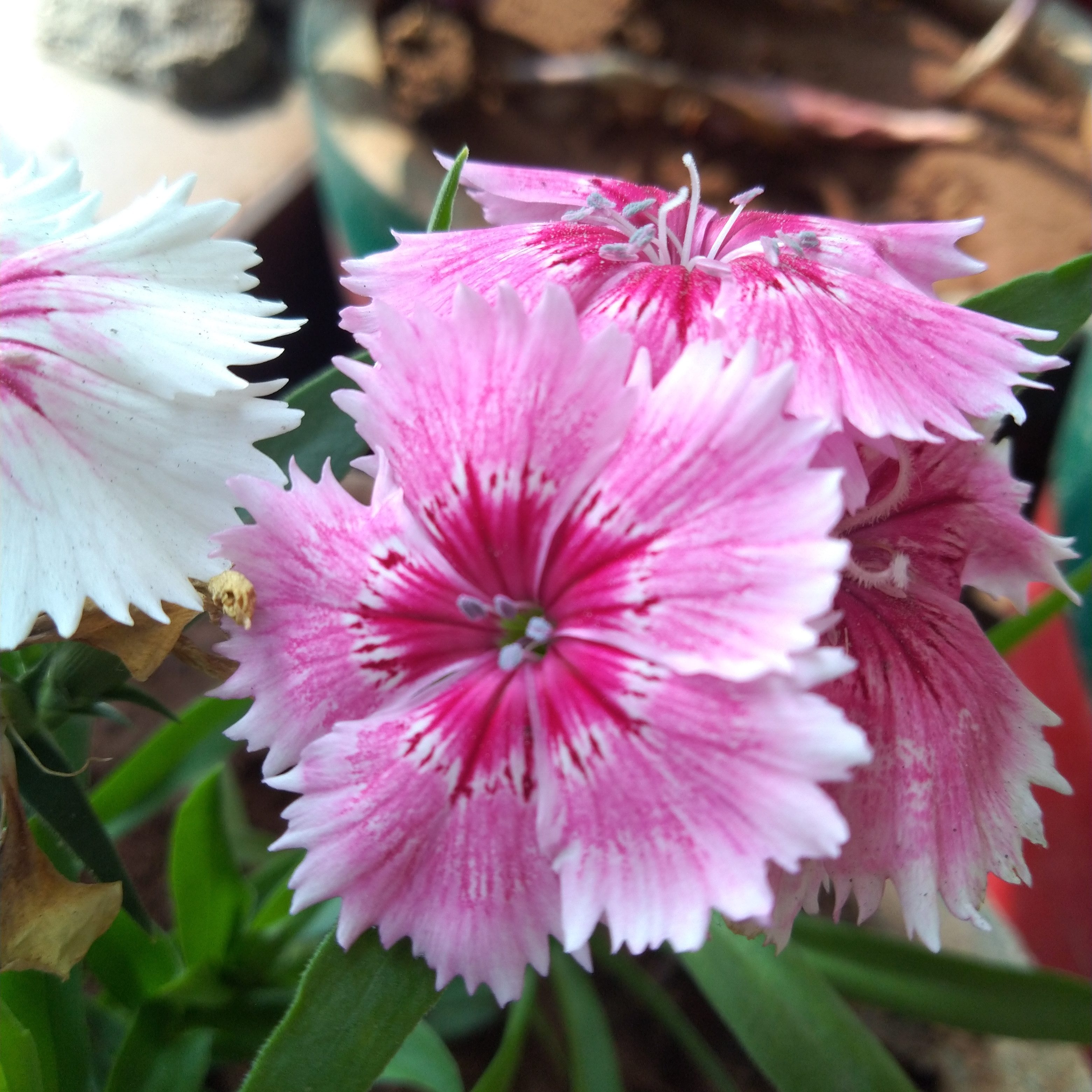
This is a Dianthus barbatus—one of my favourite flowers. This picture is of the first plant I ever grew from seed.
As for my favourite songs, I listen to the album Kandisa by Indian Ocean almost every day. I’ve recently rediscovered Flashlight (Sweet Life Mix) from Pitch Perfect 2. I also love the songs from To All the Boys: P.S. I Still Love You. I listen to a lot of Bollywood/Hindi Music! It’s awesome!
I also really love the soundtrack from The Witcher. It’s my go to writing music. It helps motivate me to do stuff!
Now, we welcome Ninja Devil, a goth teenager who loves sports and is addicted to way too many fandoms!
You’ve been with this competition for a while. What are your favourite things about it?
The writing and feedback. The themes and prompts are pretty challenging sometimes, and I’ll admit that I often get frustrated, but afterwards, I can look back at my feedback and see that it’s all helped me.
I remember one round from season 2 where I was really frustrated with my feedback, but looking back I realize that the frustration was with myself, not the judge.

I’m glad to hear that because I think I may have been the one to judge that story. It was for your Helena Ravenclaw and Pandora Lovegood story, right?
Haha! Yep, that’s the one.
What about the feedback frustrated you?
I remember reading the feedback and being super disappointed. It was the lowest score I’d ever gotten.
I felt like maybe my story hadn’t been interpreted the way I’d wanted it to. Like maybe the judge hadn’t understood it. Then I went back, reread the story, reread my feedback, and realized it was right. I had written the dialogue wrong, I had gotten Helena out of character, I had been repetitive.

I’m the type of person who puts a lot of pressure and blame on myself, so once I realized how correct the judging was, I was immediately storing that feedback in the back of my mind for future reference so that I could, hopefully, avoid making those mistakes again.
Do you have any advice for judges on how to write feedback so that it doesn’t frustrate writers? And maybe some advice for writers on how to deal with feedback?
I don’t know if this would necessarily help judges, but it’s good for beta readers: you have to pepper in compliments. Even just highlighting a sentence and commenting “beautiful sentence” or “love this scene” can help break up the critiques and help the writer feel like their story isn’t being completely picked apart.

As for writers, remember that the judges are doing what they’re asked to do. They’re asked to judge without bias; they never mean to offend. They read a story and they judge it. What they think of the story is no reflection of what they think of you.
That’s good advice and something I’ll keep in mind.
You’ve written a lot for the Harry Potter fandom. When did you first read the books?
When I was about seven, my dad read Sorcerer’s Stone and Chamber of Secrets to me. After that, I started reading them on my own. I remember being about eight or nine years old and crying one night because I had finished Goblet of Fire.
As for rereading them, I reread Sorcerer’s Stone just a few months ago.
Harry Potter is one of the few series I’ve ever managed to reread. What do you think makes these books so pleasant to read over and over again?
For me, it’s the details. I can realize something new or see something in a different light with every reread, especially as I’ve gotten older. Lines and scenes hit differently now that I can relate to them.
It’s also incredibly inspiring for stories. I’ve gotten so many ideas for missing scene fics, scenes from other POVs, etc. just from reading (or listening) to the books time and time again.

Do you have a favourite trope that you like to focus on?
My go-to tropes and genres are hurt/comfort, whump, angst, etc. They’re my favorite to read and write.
What are some must-have elements for those genres?
You must be in character. Say you read a hurt/comfort story with Harry and Sirius. There would be comforting dialogue, hugging, reminiscing, etc. Now picture that same situation with Harry and Severus. Doesn’t work, does it? No, because Severus wouldn’t act that way. He wouldn’t open up and share his feelings or memories with Harry because that’s not the type of person he is, nor is it the type of relationship he has with Harry.
What is your favourite story that you’ve written?
I have to go with It Should’ve Been Me. It’s about George post-war, obviously going through an immensely difficult grieving process after the loss of Fred, and how he needs something to keep living for. He gets that in the end, keeping him from falling off the edge.
You really do like the hurt/comfort genre, haha, but what do you dislike?
I’m pretty open to most stories, but intense OOCness and bad punctuation can sometimes turn me off.
What’s the most memorable example of OOC behaviour that you’ve come across?
I remember reading a story one time that was about Harry and Albus Severus. The author had written Harry as being abusive. In her author’s notes, she even related him to Vernon! I was confused because everybody knows Harry would never be abusive. If anything, he’d spoil his children rotten because he’d be terrified of being even remotely like his aunt and uncle. I have no idea how I came across that story, but I read one scene and was like NOPE.
Even J.K. Rowling made that characterisation error in Cursed Child as a cheap way of developing Albus’s characterisation, which is what character bashing is generally used for: belittling one character to elevate another.
If it’s done well, I can roll with character bashing. Personally, I don’t like Molly Weasley, but despite my feelings against her, I always try my best to keep her in character. Maybe I highlight her more negative traits, or I write her from different points of view, but I try not to bash any characters so explicitly that it becomes OOC.
That’s a fine line to balance on. Do you plan how your characters will react to the plot before you start writing?

Not really. I know a lot of people make outlines beforehand, and sometimes I will make loose ones, but more often than not I just dive in and start writing from beginning to end. I’ve tried more detailed outlining before, but I can never stick to it, so I prefer to just go freestyle.
What is the most surprising turn one of your non-outlined stories has taken?
One time I was writing a Star Wars fic, and I had it all planned out in my head, but then I started writing it and it got away from me. It turned into a story focused on some very intense arguments and character realizations; whereas the original idea had been focused on a mission and a straightforward romance.
It’s wise not to keep too tight a hold on plots; it tends to suffocate good ideas. Given that that’s not a problem for you, what do you struggle most with when you write?
It’s a pretty common answer but “showing not telling” probably. I know I’ve gotten a lot better at it since I began, but sometimes I still get frustrated over it. Also, excessive detailing. I love details and descriptions, but eventually, you get to a point where you realize that the readers don’t need to know what texture or color this wall is, haha.
This is why I don’t write. I would happily describe every pattern on every bathroom tile before focusing on anything relating to the plot.
Do you have any tricks that help you spot “show, don’t tell” problems and when you go into too much detail?

Not really. My sister did point out to watch out for the passive voice. Making it active can help with “show don’t tell.”
When I go into too much detail, I need to get better at reading it from a reader’s perspective. Think about the details the readers will want to know and will care about. Too many details can become disinteresting.
Our attention span has become terrible over the years. Victor Hugo would be appalled by how frugal writers need to be with their words nowadays.
Do you have a writing-related dream?
Well, I plan on becoming a professional editor, but I’d absolutely love it if I could put some of my original ideas to print. I have so many ideas floating around in my notes and draft documents, but none have much to them yet. I’ve also really been falling in love with poetry recently, so a poetry book might be nice to add to the resume.

Nice! Why do you want to be an editor?
I love different genres, and I think getting to be an editor and reading so many different types of manuscripts sounds amazing. As an avid writer and reader, I would hope that I could get a deeper look into the stories and maybe give some authors a chance that they might not get from other editors.
If you could ask one successful author three questions about their writing, writing process, or books, what would they be?
Oh, I’d definitely talk with Tolkien, haha.
I’d interview him about his biggest inspirations, how he planned the books and if he always planned them as a trilogy, etc., and honestly, I want to know how he came up with the Ents.
We were just talking about writers who go into a lot of detail, weren’t we, haha?
It’s time for Would-You-Rather: Would you rather write one amazingly popular story and never find the inspiration to write again or write endless stories that are marginally to moderately popular?
I’ll go the endless ideas route. I can’t even imagine my life without writing, and who cares if it’s not super popular? I write for myself, not others.
Does that stance apply to both fanfiction and originals or just fanfiction?
Definitely both.
And on to Either Or: city or countryside?
Take me home country roads.
For seven years (age 8-15), I lived on a ranch. I was full-country (and still am at heart) with stables and cattle and fresh eggs every morning. It wasn’t an easy life, but it’s a big part of who I am and living that life instilled in me the lesson of “if I want something, then I’ll work for it.”
These are the last two calves I got to see born before I moved back to the city.

They look adorable!
What else do you have to share with us?
My favorite song is “Don’t Let Him Go” by REO Speedwagon. I’m an 80’s girl (fun fact: my dad got to have dinner with the members of REO when he was in college)
As for a unique story, when I was three years old, I injured my left eye and had three eye surgeries before I turned five. Since then, I’ve always had to wear glasses, but they don’t bother me.
The lair of madam Pince
Judges piCkS

Year 1: Mania by 3cheersforidiots
Gilderoy Lockhart finds Severus Snape intriguing. There’s a story in those dark eyes, and Gilderoy will discover it. The more he learns, the more he wants to know, but Severus is a hard book to read, and Gilderoy is running out of tricks.
Year 2: The Fall of Icarus by DanceSpirit
Rita Skeeter is a lot of things, but above all else, she’s loyal. When Lily Evans breaks James Potter’s heart, Rita comes to her cousin’s rescue. Public opinion is a dangerous beast, and Lily is about to find herself on the wrong side of it. But how much of Rita’s stories are true?
Year 3: The Hidden Game by MrsDragneel1203
Life is a game, and Pansy Parkinson is a Slytherin. She plays dumb, fooling people into underestimating her as she reaches for her goal: winning. But one person keeps beating her. Hermione Granger may not realise she’s playing, but she will soon enough.
Year 4: Rebellion by JanieOhio
When Severus Snape sits next to Sirius Black at the Slytherin table on their first day of school, Sirius’s vow not to be like his family will be tested. Will his rebellion only go as far as disapproval, or will he choose to fight his family’s ideals and maybe change the world in the process.
Year 5: The Disappearances of Godric’s Hollow by be11atrixthestrange
People are going missing in Godric’s Hollow. Detective James Potter is close to making a breakthrough; all he needs is more time. Rita Skeeter can give him that, but her price is steep, immoral, and intimate. Unfortunately, James would make a deal with the devil if it meant catching this killer.
Year 6: Dreamboat Fudge and the Broken Friendship by accio-broom
The Leavers’ Ball is Dolores Umbridge’s last chance to impress her Hogwarts peers. She has the perfect night planned: the perfect dress, the perfect best friend, and the perfect date. But the ball is fast approaching, and Cornelius Fudge still hasn’t asked her to attend it with him.
Year 7: Fire and Ice by ClaireBear1982
Hermione and Draco have been friends since the first day of school. There have always been red flags. Draco is possessive, controlling, and jealous. He scares her sometimes, but she knows he doesn’t mean anything by it. Or she did until they started talking about their futures.
HOW TO GET MORE VIEWS AND REVIEWS ON YOUR STORIES: First Impressions Matter
You’d think that writing a story is the most challenging part of being a writer, but no. After finishing your fic, you’ve got all these annoying little steps that are more important than the story itself because these are what will get your fic an audience. You could write a masterpiece with spell-binding prose, fantastic characterisation, and a Nobel-worthy plot, but it won’t matter unless you get people to read it.
First impressions matter—that’s not news to anyone. Make the wrong first impression, and you’ll have to waste time undoing it, and that’s if the readers stick around long enough to let you correct your mistake.
With fanfiction, most people won’t. You get one shot to impress them. If you fail, they’ll scroll down to the next story.
On fanfiction.net, there’s an average of 99.6 stories posted in the Harry Potter fandom every day. That’s a lot of stories for readers to choose from and a lot of stories with which your fic has to compete. So how can you improve your chances of potential readers picking your story over anyone else’s?
The Summary:
I said it in my last WWN article, and I’ll say it again because this is by far the best tool to get your story read: write an amazing summary.
The Cover Image:
First things first so that no one gets into trouble: read fanfiction.net’s guidelines and the “About” section beneath “Image Manager”.
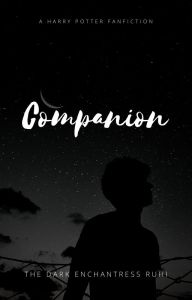
Cover images are hugely underestimated by a lot of writers. Some don’t bother with them at all; others pick a random image and have done with it, but publishers spend a lot of time fussing over book covers. The cover is the first impression potential readers’ get of a book. If they don’t like the cover, many won’t bother reading the summary.
That logic doesn’t transition perfectly into fanfiction because the summary is given more visibility, but it’s still a valid point.
A good cover picture shows effort and dedication, and it will make your story stand apart from the rest.
What makes a good cover image?
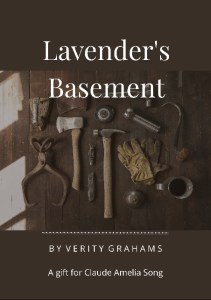
- The best book covers have creative graphics, an eye-catching font, and are visually pleasing.
- The cover should be relevant to the story, which is why using your profile picture isn’t always a good idea. If your profile is of Chucky the evil doll, it’s best not to use it as a cover image for the romance fics you write for the Harry Potter fandom unless Chucky is somehow involved. The lack of a profile and cover picture is worse because the default image of the blank outline of a man’s head is a turn off for a lot of readers.
- Let the cover tease at the story’s content, but don’t turn it into a spoiler. If Chucky is the plot twist in your Harry Potter romance story, don’t have him on the cover—although maybe you could have him creeping through the background.
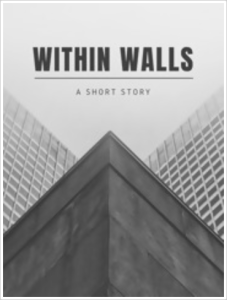
- If there’s a recurring symbol or imagery in your story, try to incorporate it into the cover picture. It will act as a teaser that your readers will come to associate with your story.
- Typography is important. Your cover image will look more put-together if you add text, nothing much, just the story’s title. You want the text to be legible and appealing, so you’ll need to play around with font, size, and colour.
- Be aware of genre expectations. Each genre has a distinct pattern when it comes to colour schemes, fonts, layouts, and images. If your cover image is dark and shadowy with a text that drips a trail of red, readers will expect horror, not romance. Fail to meet genre expectations, and your target audience may pass over your story without a second glance.

- Use colour to grab potential readers’ attention and let it help set the tone of your story. Contrasting colours like black and white work well because they create striking covers that will draw potential readers’ eye. You can use colour theory to create both contrast and balance in your cover image and to match the colours’ meaning to that of your story.
You can check out this website for the top 10 graphic design software programs. Play around with each and see which ones you prefer.
The Title:
Interesting, gripping, and relevant—that’s what you need the title of your story to be (with bonus points for witty and memorable).
- Try to stick to five words or less. A shorter title will be easier to remember.
- Don’t overcomplicate it. You want to use words that are simple and avoid ones that will only be understood by a small number of people.
American publishers changed Harry Potter and the Philosopher’s Stone to Harry Potter and the Sorcerer’s Stone because they didn’t think the original title sounded magical enough despite its reference to the legendary alchemical substance. They worried that people might mistake it for a book on philosophy instead of magic.
- Choose something that’s easy to enunciate and not embarrassing to say.
- Favour descriptive titles over poetic ones. A bit of mystery is good, but you don’t want your title to be an enigma that will confuse potential readers.

- Be careful of single word titles. They’re often too vague to be attractive, they make your story difficult to search for, and there’s a high risk of duplicates.
A few years ago, I got two DVD box sets for Christmas: The 100 and Supernatural. I watched the former almost straight away because the title intrigued me (the 100 what?), but it took me a long time to get around to Supernatural, despite loving it when I did, because the title was too vague.
- Be aware of genre expectations (again). You don’t want the title of your suspense thriller to sound like a comedy.
- Like the cover, the title should give a hint as to what your story is about without giving everything away.
Here are some ideas to help you come up with titles:
– Use a clever or noteworthy sentence from your story.
Headmistress Katie called one of her stories Have You Heard? because that phrase is used over and over to begin the different sections.

– Use a metaphor or symbolism associated with the themes of your story.
Headmistress Lun’s fic Full Body Control deals with Hermione’s helplessness when she finds herself trapped in a situation in which her free will and bodily autonomy are considerably compromised.
– Use alliterations (i.e. words beginning with the same letter or sound).
It’s Bloody Better by Headmistress Verity has a nice ring to it because the two main words of the title start with the letter “B”.
– Use a famous phrase and alter it to suit your story.
Headmistress Ruhi played with the notion of a knight in shining armour when she titled one of her stories The Knight in a Tartan Dressing Gown. Can you guess who this tartan-cloaked hero is?
Before you settle on a title:
→ Confirm that there aren’t a dozen stories with that same name.
→ Check for unintended connotations so that you don’t offend anyone.
→ Be sure to capitalise it appropriately. There are specific rules for capitalising titles. If you don’t know them, there are plenty of websites that will do the capitalisation for you, such as this one.
Your Profile:
Your profile may prove useful in gaining a reader or in turning a reader into a loyal fan. One of your stories could catch a potential reader’s eye, but they may want to check your profile before committing to your fic, or someone read and loved one of your stories and wants to know more about you. A good profile will make readers feel connected to you, whereas a bad profile may alienate them.
Firstly, here’s what not to do:
- Don’t add those copy-and-paste lists to your profile. Minimalism is key, and the pages-long list of “Copy and paste this onto your profile if you [fill in the blank]” adds unnecessary and uninteresting clutter. If the information in that list is something you think is vital for readers to know, write it yourself. Don’t follow the herd by saying exactly what everyone else is saying.
- Curb the urge to list your favourite anime/books/pairings/music/characters/etc. 1) It’s bound to become long and cumbersome. 2) You’ll most likely finish the list with “I’m probably forgetting some”. 3) Unless you write for those fandoms, it isn’t information that readers will care about, and if you do write for them, they’ll know from the automatic list at the top of your profile.
- If you want to add quotes, keep it to one or two, no more than that.
- Don’t write a Q&A list. If your readers want to know something about you, they’ll ask, and it’s best to answer them in a PM because it’s more personal (we’re back to the importance of creating an email list).
- Don’t answer reviews on your profile. If the review comes from a logged-on reader, PM them. If it comes from a guest, either add a general thank you in your Author’s Notes or a more specific one if the review was helpful.
- Don’t get into one-sided arguments about your opinions on pairings/characters/tropes/etc. If you want to state an opinion, make it brief, then if someone reads it and wants you to write an essay, they can ask for it.
- Avoid Original Character profiles. Knowing your OC’s hair colour, eye colour, or what kind of wand they own isn’t interesting for someone visiting your profile. That information should be in your stories.
- If you want to tell readers your name/age/gender/address, I won’t stop you, but what I will say is please don’t do this: “Age: Wouldn’t you like to know?”, with similar sentences for the other stated categories. Either give your readers this information or don’t mention it at all, just don’t throw it at them like a taunt.
Secondly, there are things you can do and add to make your profile more interesting.
- Be aware of genre expectations (yes, again). If you write a particular genre, your profile should reflect that. Let’s say you write a lot of bubbly, fluffy, romances, but your profile is all cynicism and dark humour. That may alienate your target fanbase.
- If you have fan accounts on Tumblr, Instagram, Twitter, Facebook, etc. add all those usernames at the bottom of your profile so that anyone who is interested can take a look. Remember that you can’t add links to sites outside of fanfiction.net.
- Less is more, so keep it brief. The more information you add, the more likely it is that readers’ eyes will glaze over before they get very far. Remember that it’s a profile, not an autobiography. If you have to scroll down to reach the end of your bio, chances are that it’s too long.
- Set yourself apart but don’t be a braggart. Humility will help you connect with readers.

- Tell your readers a bit about yourself. Personal facts are nice and can make readers feel like they know you, which will make them more likely to get attached to you and your writing. Mention something that’s important to you, be it a pet, a place, or a book. Talk about why you started writing and what you hope to achieve—if anything. You can even tell your readers a bit about your stories if you have the room, but the all-important rule is to keep your profile short and neat.
- Look at author bios at the end of books to get some inspiration (but don’t write your profile in the third person like they do).
- Try dividing it into clear sections with bold headlines so that readers can easily find the information they’re looking for. You can have an ‘About Me’ section, a brief ‘Story Info’ piece, and a ‘Social Media Links’ bit.
- Keep your profile updated. Even if you have nothing else to add, try to play around with it so that the date next to “Profile Updated” at the top of your profile doesn’t get too old.
Your Profile Picture:
There are two scenarios here.

- If you don’t use cover images for your fics, your profile picture is important because it will be like a brand marker for your stories. You want to choose a picture that’s neutral and non-distracting (i.e. no gore, horror, or adult content—which you aren’t allowed to use anyway). Don’t use a picture of a character or pairing if you plan on writing other characters and other pairings, and don’t use a fandom picture unless you only write for that fandom.
- If you do use cover images, your profile picture isn’t all that important except on forums, where it will become something to recognise you by for those (myself included) who are too lazy to read and remember usernames.
In the next issue of the WWN, we’ll be looking at how the content of your stories can turn off readers.
Couples theapy

Once again, I’m back with another Couples Therapy. Does watching people work out their differences for our entertainment ever get old? I don’t think so, and this one is set to be the most entertaining one we’ve ever done. We have two very bitter enemies here with us today, so let’s see if we can get them to come to some understanding. Welcome, Minerva McGonagall and Dolores Umbridge!
Hope: Hi, guys! You will not believe how long I’ve been waiting to get you two together. I remember your big standoffs while I was in school.
McGonagall: Young lady, I admire what you’re trying to do here, but I don’t see the point of interviewing me and her together. That woman belongs in Azkaban, not before an audience.
Umbridge: Oh, Minerva, is there any harm in a small interview? And I’ll have less of that disdainful tone if it’s all the same to you. I was in Azkaban for quite a while, but I’ve served my sentence.
Hope: (quietly) Not long enough if you ask me. (normal) That’s right, released just last year, wasn’t it? But I’ve heard you can’t get work anymore?
Umbridge: Indeed. My reputation was tarnished for no reason, and very few people are willing to hire me. Needless to say, I’ve been kept well away from children.
McGonagall: No reason? You’re lucky you ever saw the light of day again after all you did! You tortured children, and you made things so difficult for all the students. When you got yourself back together, you helped Lord Voldemort, and that ended up getting innocent people killed!
Umbridge: The children needed discipline. That’s all I was doing, Minerva. You and Dumbledore were simply too narrow-minded to accept my methods. They worked, didn’t they?
Hope: No, they didn’t. We started a Defence group to learn to protect ourselves when you wouldn’t do it. I remember having to use that awful quill of yours. I’m lucky I didn’t have to use it enough that the marks were permanent, but it was still enough.
McGonagall: Precisely. There was absolutely nothing good that happened while you had any sort of power. It’s just lucky the damage wasn’t worse.
After a few moments of tense silence, your host broke the quiet with a question.
Hope: So, I have some questions if you guys are interested? I was just curious, and it seems like your rivalry and enmity stems from something much more than workplace tensions. Is there a story behind all of that?
Umbridge: Not that it’s any of your business, but Minerva was actually one of my teachers while I was in school. I was in Slytherin, so we didn’t interact a great deal, especially because she wasn’t Deputy Headmistress yet. Still, I could never get anything past her. I grew resentful, and perhaps that carried over into our interactions while I taught.
McGonagall: Resentful enough to send me to St. Mungos? A terrible excuse if I ever heard one. I just wanted to protect the students and my fellow teachers from what she was prepared to do while she taught. Of course, that backfired when I was hospitalized after I tried to help Hagrid.
Umbridge: Yes, I remember that. I was particularly glad when that happened. You were the only obstacle still in the way of me keeping control at Hogwarts. A pity didn’t last long.
McGonagall: A pity? More like good luck! You were not fit to be near students, and, luckily, no students will ever be subjected to you again! A teacher supports and brings up their students; they don’t tear them down and torture them! I had several students request to drop out because of you! Sirius Black lost his life because you made it so difficult to keep in contact with him!
Umbridge: He was a criminal, and if I’m honest, I don’t believe the story that it was a setup by that Pettigrew man.
McGonagall: He was a good man, and your actions contributed to getting him killed!
Hope: Ooo-kay, I think that’s enough, guys. Let’s break this up before it comes to blows. Thank you for letting me interview you today! As for my wonderful readers, there are only two more pair-ups I’m planning, for now, so stay tuned!
Writing Q and A with Ash
Q

What exactly is the difference between the active and the passive voice. When forming a sentence, how can you avoid using the passive voice?
The ball was caught.
The boy caught the ball.
The first sentence is an example of the passive voice.
The passive voice focuses on the thing or person that experiences the action rather than the subject, which creates the action. An easy trick for spotting the passive voice is by adding “by zombies” after the verb. If the sentence makes sense with the addition, it’s written in the passive voice.
Writers tend to use the passive voice to create an illusion of formality that falls short in fiction because it’s circuitous. The example I gave is a simple one, but the passive voice will needlessly complicate longer sentences. Not only is it grammatically clumsy, but it’s also dull and slows the sentence’s pacing.
That being said, the passive voice should not always be avoided; it should just be avoided most of the time.
Lily and James were killed (by zombies).
That sentence uses the passive voice, yet it’s acceptable because it focuses on Lily and James instead of their killer. It’s also acceptable to use the passive voice when the subject of the action is unknown.
The competition was created decades ago (by zombies).
Even so, use the passive voice sparingly.
The passive voice invariably comes across as pontificating, patronizing, talking down. It sounds insincere, even dishonest, and it makes the reader uncomfortable, not trusting, though usually the reader cannot put her finger on why.
Henriette Anne Klauser
Q
So I understand the Oxford comma controversy, but what is up with the space debate? There seem to be two camps: those who single-space after ending punctuation and those who double-space. Is there an IWSC preference for this? Is it related to the place of origin?
A
Adding two spaces after a full stop is the norm for anyone who was taught to type on a typewriter.
Typewriters have monospaced typesetting, which makes it difficult to see where each sentence ends without the double space after the full stop. That’s not a problem with modern processing software, which automatically adjusts the spacing between letters and words.
For a while, there was semi-scientific evidence that two spaces were better than one because they allowed for clearer and faster reading, but that isn’t true for everyone. Those of us who are used to the single-space method find the alternative unsettling.
Nearly all style guides agree that using a single space is the way to go. The Publication Manual of the American Psychological Association is the only one that promotes double spacing over single spacing.
The IWSC doesn’t favour one over the other, but my recommendation is to stick with a single space because not only does double spacing look dated, it also adds to the ‘rivers of white’ problem that can pop up.
Q
How much information is too much when planning out the finer parts of your plot? I always find it difficult to strike a balance between creativity and factuality.
A
Creative writing makes exposition tricky because sensible writers have a healthy aversion to info-dumping. The trick isn’t in how much information to include; it’s in how you include it.
The first thing to remember is your story’s POV.
Is this character in a position to know the information you want to impart? If so, how extensive and precise is their knowledge? Do they care about the subject? These things should show when you write so that it feels like narration and not exposition. Let the way the information is written reveal something about the character.
The second thing to pay attention to is your exposition’s timing.
No one (that I know of) wakes up and immediately starts thinking about their town’s history, but they may think about it while walking through said town so long as they have a plausible reason for knowing the place’s history and caring about it. Make the information interesting by making it relevant.
The third thing you want to do is keep it brief or spread it out. We have short attention spans. There’s only so much information we’ll read before we get bored and thirst for action.
Storytelling instead of info-dumping is a fairly well-known life hack, but there are still very few people who tell stories instead of facts.
Kameron Hurley
Q
Most best-sellers in the last few years are written in first-person, especially in YA. However, the focus in fanfiction is usually written in the third-person. Should fanfiction writers pay attention to what perspective they write in?
A
There are four narrative points of view:
- first person → one of the characters is narrating the story and uses the ‘I’ pronoun.
- second person → the author is the narrator and speaks directly to the reader using the ‘you’ pronoun.
- third person limited → the author is the narrator and can see inside the head of only one character.
- third person omniscient → the author is the narrator and can see inside every characters’ head.
Each POV has its strengths and weaknesses.
First person, second person, and third person limited create a sense of intimacy between the POV character and the reader. However, you’re limited to what the character knows because they’re telling their story, not the story.
Third person omniscient makes it easier to world build and share information (like in Dune by Frank Herbert), but head-hopping will give your readers whiplash.
First person is pretty easy to write and is inherently biased, which can be interesting (think Gone Girl by Gillian Flynn), but some readers will find that unreliability unpleasant.
Second person is often a new experience for readers and can be impressive if done well like in Apple Tree Yard by Louise Doughty, but it’s incredibly difficult to execute nicely, so many readers don’t like it.
Third person limited is what we’re most familiar with, but inexperienced writers tend to “filter” the POV character’s experiences, which I will explain in point 2. There’s no “best” POV; there’s just whichever one you’re most comfortable with.
But comfort does not equate to skill.
Point of view mistakes are among the worst you can make because the POV is the lens through which you show your story. Ruin it, and you fracture your reader’s suspension of disbelief.
1) Never change POV.
If you’re writing in the first person, do not switch to the third person limited (or any other) unless you know what you’re doing and are willing to run the risk of losing readers.
I see this mistake a lot in fanfiction when writers write most of their story in the third person limited but switch to the third person omniscient for a sentence or two because they want to talk about another character’s feelings. The problem is that it’s jarring for readers, who find themselves hurtled from one character’s head to another’s without warning.

If you need to give your readers a look inside another character’s head, use the third person omniscient throughout your story.
POV should be established within the first couple of paragraphs, but an easy cheat for the third person omniscient is to pretend you’re writing in the third person limited and then switch POV characters every chapter à la George R. R. Martin.
Some authors do switch between first person and third person limited, and it can be interesting, but you’ve got to study how the pros do it before giving it a go. For that, I would recommend reading Margaret Atwood’s The Edible Woman.
2) Don’t use filter words.
Filter words are unnecessary words that kneecap your narrative by adding distance between your readers and the story. Filter words include think verbs (think, know, realise, seem, decide, want, etc.) and sense verbs (look, hear, see, feel, notice, etc.).
“Harry saw that the door was locked” becomes “The door was locked”.
The second sentence is easier to read and keeps readers inside the narrative.
Harry (as the POV character) doesn’t feel his heart pounding in his chest. His heart pounds—that’s it. He doesn’t look at Ginny across the room. His narration describes her, and through that, readers know that he sees her.
Never add a layer between the character and the reader.
3) Keep POV in mind when describing scenes.
Most writers choose limited POV because it’s the most narratively compelling, which means that your POV character will not be able to see and know everything. You’ll have to put yourself in their shoes to figure out what they will and will not notice.
Let’s say Harry (POV) is sitting at the Gryffindor table. Dumbledore is chatting with McGonagall at the other end of the hall, drinking from his goblet. He sets the goblet down, but there’s a crack running through the wood. The edge of the goblet dips into it and topples. McGonagall tries to catch it but fails and cuts herself on the knife lying next to Dumbledore’s plate. The goblet’s content spills all over Dumbledore’s brand new robes.
How much of that would Harry know, and how much of it can he see from his position?
1) He can’t see the crack in the table.

→ But passing by the table, later on, he could notice it, or someone who was sitting at the head table could tell him about it.
2) He may notice the goblet toppling, but only if he’s paying attention to it and isn’t sitting too far away.
→ But he will see the aftermath: the spilt juice and fallen goblet.
3) He can’t know McGonagall’s intentions unless he was also paying close attention to her.
→ But McGonagall’s flailing as she reaches for the goblet could catch his eye.
4) He probably can’t see the knife or the blood dripping from McGonagall’s finger.
→ But Harry might spot her in the infirmary talking to Madam Pomfrey.
5) He wouldn’t know that Dumbledore’s robes are new.
→ But Dumbledore could tell him so later on.
Remember:
- Distance. Unless your character is Legolas, there’s a limit to how far they will see and hear. You could say that McGonagall’s eyes widened as she reached for the goblet, but would Harry not be too far away to notice and would his gaze not be drawn to her flailing arms rather than her eyes?
- Position. If Harry has his back to Draco, he won’t see Draco drawing his wand unless there’s a reflective surface in front of him. He might hear it, the movement of robes or the shriek of a nearby student, but he won’t see Draco or the drawn wand until he turns around.
- Knowledge. Harry might see Fred and George dragging a box of new products with all their might, but unless the words “New Products” are stamped on the box, he won’t know what’s inside the box until he asks them. He also can’t know that they’re pulling with all their might, or if he does, it’s because there are physical tells (sweat, straining muscles, clenched jaws, bulging veins). By saying, “The twins dragged the box with all their might,” you’re telling; by describing the physical tells, you’re showing.
“Places are never just places in a piece of writing. If they are, the author has failed. Setting is not inert. It is activated by point of view.”
Carmen Maria Machado
The International Wizarding School Competition League Table
| School | Place | This Round | Judges Picks | Overall Points |
| Beauxbatons | 1st Place | 270.25 | 5 | 1063.75 |
| Ilvermorny | 2nd Place | 312.25 | 10 | 994.75 |
| Mahoutokoro | 3rd Place | 347.75 | 10 | 983 |
| Durmstrang | 4th Place | 326 | 0 | 923.5 |
| Hogwarts | 5th Place | 146.75 | 10 | 596.5 |

Feel free to contribute to other aspects of the paper by sending a private message to the Competition account. We are always looking for pieces of fanart, and even your thoughts or recommendations. Even if you want to send a message to someone in the competition that you think has excelled, or maybe they helped you out? Send it to Aunt Molly! Anything else should be sent to Wizarding School Championship. In the Subject should be Wizarding World News: [Name the section of the paper you are writing about] depending on what you’re messaging about.
 Wizarding World News