
- Prompts
- Handy Hints
- Writing School
- Trivia and Puzzles
- Creative Corner
- Dear Aunt Molly
- One on One
- The Lair of Madam Pince
- Character Interviews
- Writing Q&A with Ash
- League Table
Follow all important events of the International Wizarding School Championship here in the Wizarding World News. We also have a live Twitter feed, Facebook, and an Instagram account for you to get day by day updates!
Fancy testing your Spelling, Grammar, and Punctuation? We have the perfect thing for you. Try out our super difficult SPaG Quiz and comment us your score!
Prompts – guidance
How to Read Prompt Guidance Without Going Crazy
In every WWN Issue, we will look at a specific type of prompt and how it can be effectively incorporated into your stories. Before we start, let’s look at some common phrases used in our prompt guidance, found here.
“Must be significant to the plot.”
No one writes a story thinking that it is insignificant or that elements of the story are not important. So what exactly do we mean when we say that a prompt must be “significant”?
A good rule of thumb here is to remove the prompt from the story. If the plot still makes perfect or near-perfect sense, your prompt is not significant enough.
– Katie
In short, the prompt must have a noticeable impact on the plotline. Mentioning that there is a cup on the table once in a story will not get you full marks for the prompt “[object] Cup”. While it has clearly been used, there is no direct impact on the plot. If, however, that cup is a secret Portkey, which transports your main character to a dungeon where they are now captive, it will have had a significant impact on the story.
A good rule of thumb here is to remove the prompt from the story. If the plot still makes perfect or near-perfect sense, your prompt is not significant enough. If your plot becomes confusing or has noticeable holes where the prompt was, you know that you have nailed significance.
Remember that it is easy to see something as significant when you have spent hours working on it. If you can, take a step back and imagine you are reading your story for the first time or ask a friend to look at your finished work and give you a fresh pair of eyes.
Remember that what might be significant to one person may not be obvious to another. While our judges adhere to the same guidelines as our writers, we all interpret information differently. If you are unsure, err on the side of caution.
Volume of usage doesn’t necessarily equal significance. I could mention the cup on the table ten times, but if that cup doesn’t actively impact my plot, it isn’t significant. It is better to use a prompt once or twice in a way that indisputably impacts your plot than to overuse it in an attempt to add to a tally of significance.
“Throw away mention.”
If something has been labelled as a “throwaway line”, it means that the reader felt that there was no real reason for it to be there. In my judging days, I would class something as a throwaway line if it felt as though it had only been added to the story to gain the prompt points.
Using my cup example, merely mentioning that there is a cup on the table is a throwaway line; there is no reason why the cup should be mentioned. Throwaway lines are directly linked to significance—the less significant a prompt is to the plot, the more likely it will come across as a throwaway line.
“Side character.”
The guidance for character prompts specifically states that using the prompt as a side character is not enough to gain full marks. But what is a side character, exactly?
A side character is one which appears in a portion of your story but is not present or significant to the entire plot. For example, we could class Aragog as a side character—present, but not the most important in the series.
A character may be influential for a small portion of the story, whilst still being a side character. No one can argue that Aragog’s appearances did not have an affect on Harry and his “story”; however, there were many other characters who had a far stronger and more widespread influence.
Perhaps a better example is Lavender Brown. Lavender was mentioned in the books from the very beginning, but she had very little bearing on the plot. For the first four books, at least, Lavender can be classed as a side character. During Order of the Phoenix, she becomes more prominent, but with only twenty-nine mentions in eight hundred and seventy pages, she can certainly not be classed as a main character.
When we get to Half-Blood Prince, Lavender takes on a new role as a main character for a portion of the story, and heavily influences Harry through her relationship with Ron. If JK had been given Lavender as a prompt, Half-Blood Prince would have gained her full marks. The other six books would not have.
Side characters are important to your story because life does not occur in a vacuum. In your everyday life, you interact with more than just one or two people (unless there is a pandemic, which is a conversation for another time). We strongly encourage you to incorporate side characters into your stories to add depth and a sense of reality to your plots. However, when choosing a character prompt, a side character will not be enough.
Using prompts and deciphering prompt guidance can seem tricky, but if you keep these key phrases in mind you will be a long way towards a successful story.
Handy Hints – pacing

Pacing is an important part of writing any story.
What Is Pacing?
Pacing is the speed at which your story unfolds. The pace that your story moves at must be balanced. If a story moves too quickly, readers will feel rushed and you will lose impact; if your pacing is too slow, readers can lose interest.
Try utilising the following tips to vary the speed of your writing based on the impact you want to make. Every section of your story can be paced differently, and this will help your story flow as a cohesive whole. Pacing your story will enable you to develop plot and characters more effectively and will improve readability.
Tip One: Breaking down story structure
You can break down the structure of your story at any time; when you are outlining your story or after your first draft. Breaking down the story will help you analyse each section. You can do this by using scene cards or just writing a basic breakdown by scene or the main events that need to happen within your narrative.
Once you have done this, you can look at each section and make decisions on the pace. When making these decisions, you could consider where you need more suspense or tension and where the story can be slowed down a little. Having an overall view will help you create a narrative that rises and falls throughout the story.
Multi-Chap Tip: Writing a breakdown by chapter will help you with pacing over the entire story.
Tip Two: Sentence and paragraph length
Sentence and paragraph length is one of the easiest methods of implementing a faster or slower pace within a story.
Short and choppy sentences make the story move faster and give a sense of urgency. Shorter paragraphs have your reader moving quickly through fast-paced action. These are the sections where you want more excitement.
Multi-Chap Tip: To create tension in longer works, try ending a chapter on a cliffhanger.
Longer sentences can help slow things down and will have readers taking their time on important details. Longer paragraphs can include more information and in-depth description. This is a good technique for sections where you want to delve deeper into characters.
Tip Three: Slowing down with detail
Sometimes you will want to slow down the pace for a single, essential moment in the narrative. Maybe because you have something important that you want to highlight. Adding extra detail will slow things down, forcing readers to pay closer attention to what you want them to pay closer attention to. This method is particularly effective when a fast-paced section juxtaposes it. It can accentuate a climactic moment.
Tip Four: Using introspection
Introspection is useful in a number of ways. It slows down the story. It can create empathy and understanding for characters. For the plot, it can reveal motives and other important details. Introspection looks deeper into the consciousness of a character—this can be through an internal monologue. If you manage to do this right, you will control the pace of a story while giving further character and plot development.
It’s important to note when you use a technique like this, in the middle of a fast-paced scene with lots of tension, for example, it will slow down the action and ruin this part of your story. Introspection can work very effectively after a faced-paced scene, creating the rise and fall, which I pointed out earlier.
Tip Five: What’s needed?
It is important in pacing to know when you need to be economical, which doesn’t just mean looking for those run-on sentences that can be shorter and tidier; it relates directly to the content of your story.
Ask yourself what is necessary to the story that you are trying to tell. Read the story, and ask yourself the following questions about each element:
- What contributes to the plot and what detracts from it?
- Does it contribute to character development?
- Does it contribute to the reader’s experience?
If the answer to any of these questions is ‘no’, the chances are that this is a part of the story that is negatively affecting the pace. These sections could be contributing to long, dull stretches.
The tip here is: Kill your darlings!
Be brave and cut sections that need to be cut. It can be hard because some of them might be your favourite bits of writing, but you may need to let go of these gems.
Some of the greatest authors have to do this, including J.K. Rowling. Did you know that Dean Thomas, a presumed Muggle-born, is actually a half-blood? His father was a wizard who got killed due to refusing to join the Death Eaters. This subplot was cut from the novels because it didn’t affect the main story. It’s such a lovely interesting ghost plot (as JK calls them), but it would have slowed down the narrative because Dean Thomas is not that important to the main thread of canon.
Finally, you should use this step in conjunction with the next step: Beta’s!
Tip Six: Ask for critique
Sometimes we think that we should be able to get it all done ourselves, that if we need to have our work checked over multiple times, it somehow means we don’t write as well as our beta. Wrong.
- If you don’t have a beta, get one!
A reader’s perspective will always highlight issues that you will not notice.
If possible, have an ongoing beta. Having a close relationship with one beta reader is important for a few reasons:
- You know what to expect
- You build a rapport that enables you to be candid
- Your beta reader will learn to understand your style.
2. Specifically ask them to consider your pacing
As I said in the ‘Kill Your Darlings’ section, sometimes it’s hard to cut your favourite parts. A beta reader is more detached and can suggest the changes that need to be made.
Writing School
Our first writing school this season will make your lips dry and your heart race. Learn how to create tension and suspense!

Tension can have many faces; among them, the aggressive tension between enemies and the sexual tension between lovers. To write a captivating story, you will need to utilise tension, but how do you make your readers sit on the edge of their seat?
- Make promises
To get your readers’ attention and prepare them for a stretch of especially high tension, hint at the importance of the next scene. Common introductions are phrases like: They were clueless to the danger awaiting them. It’s a cheap trick, but if you don’t just tease your audience and deliver on what you promised, it will work even better the second time you use it.
- Limit resources
Time is an often used tension resource. When time is running out, tension is high. But actual resources like water and food work too. It can be the lack of people fighting in an army against a bigger enemy. Or it can simply be the shortage of funds. Limiting your character’s resources forces them to be creative or deal with the consequences.
- Clear consequences
Present the consequences of the decisions a character has to make, then have them choose between two impossible courses of action. It will set up characterisation brilliantly and show their true motives.
- Heighten the stakes
Stakes should increase exponentially, so put the greatest battle at the end and not in the middle of your story. Increase the stakes step by step to spread the tension over a longer stretch of the story instead of jumping ahead.
- Don’t forget to breathe
Tension can be quite exhausting; allow your readers a small break before you go at it again.
- Set clear boundaries and threaten to overstep them
In Harry Potter, the best example for this might be where the hero has to defeat the villain (like in every story), but instead of simply defeating Voldemort, Harry has to die. That was one of JKR’s exceptionally bright moments because she oversteps the boundary of keeping your main character alive at all costs.
- Avoid repetition
First times are exciting, second times need something new or they become boring. A first kiss can be great, but the second one needs to introduce something new. Maybe a new emotion or more intimacy.
Final advice: Catharsis
Tension exists in the moment before action, and the best way to resolve the tension you have built up is in a big bang, a cathartic climax. Tension just fading out can feel really disappointing when not done properly.
Writing School Challenge
For this round’s drabble, we want you to use the methods at hand to write something really suspenseful, something with a lot of tension. Your story will be rated on how well you build up tension with the methods described.
Your prompts this round are inspired by action filled moments in Harry Potter!
- (object) sword
- (event) a competition
- (action) fleeing
- (word) detention
Points:
Win up to 10 points by writing a drabble that will be judged specifically on the aspects of this round’s challenge.
- 3 points for submitting a story according to the rules and regulations
- up to 2 points for the story (plot, flow, and characterisation)
- up to -1 point for SPaG errors
- up to -1 point for submission errors
- up to 5 points for the given technique
- 1 P for general pacing (paragraph length, sentence structure, odd word choices, transition between ideas/scenes, rushed segments, drawn-out segments, awkward dialogue, etc.)
- 1 P for building tension (making promises, limiting resources, clear consequences)
- 1 P for moments of respite that fit well in the narrative
- 1 P for high stakes that are believable and engaging for both readers and characters
- 1 P for an appealing ending that resolves the built-up tension
Deductions take place in steps of 0.25. Prompts are for inspiration only.
These stories are not to be beta’d. The idea is that you learn the rules and beta for yourself, ensuring that there are as few errors as possible.
Find the rules for this challenge in our rules and regulations thread!
Deadline: 23rd January 21 2pm UTC
Ash’s Quick Tips – showing and telling
Learn how to differentiate showing and telling in half a minute:
– Telling is quick and simple.
– Showing is descriptive and engaging.
Example: “Harry was cold.”
→ Always watch out for the “to be” verb. It often points to telling rather than showing.
Example: “Harry’s breath fogged the air in front of him. He hunched his shoulders against the wind and buried his nose in the folds of his scarf.”
→ Showing uses actions, body language, dialogue, character thoughts, etc. It’s more subtle in how it conveys information.
Be careful: sometimes it’s better to tell instead of show when the information isn’t interesting or immersive.
Do you want to see how good at spelling, grammar, and punctuation you are? Do you want to get better? We have just the thing for you. Click here for Ash’s crazy SPaG Test.
Trivia and Puzzles
Welcome to the Trivia and Puzzles section of the WWN. Have fun and win points!
These quizzes and puzzles will always follow the books over the movies, so in case of disparity, the book-correct answer will be the right one. The answers to Trivia and Puzzle can be sent to the competition account on FFN: The International Wizarding School Championship, or emailed to the competition at wizardingschoolchampionship@gmail.com, until the end of the round.
The Trivia and Puzzle are worth 5 points each. The winners will be drawn by an admin from a magic hat and announced in the following issue. If we receive up to 10 entries, 1 winner will be drawn; if we get more than 10 entries, 3 winners will be drawn!
Deadline: 23rd January 21 2pm UTC
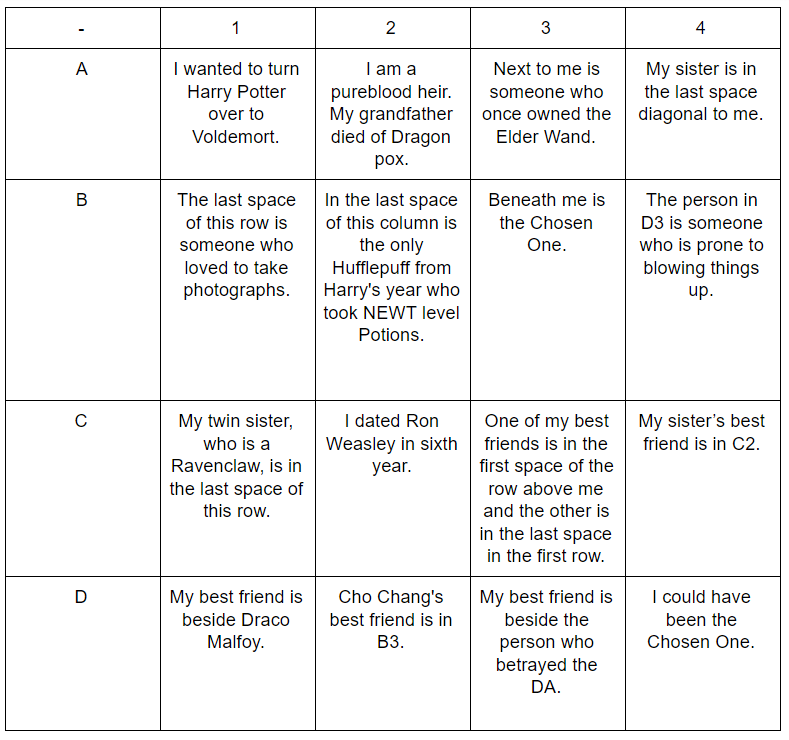
Puzzle — Hogwarts Buddies!
The puzzle below has the names of people who were in Hogwarts during the Golden Trio Era. Use the clues given to find the positions of these characters.
How Well Do You Know Harry Potter and the Philosopher’s Stone?
- Which vial in Harry Potter and the Philosopher’s Stone allowed one to pass forward through the Black Fire towards the stone?
- At what time did Harry, Hermione, Ron, and Neville’s detention start in Philosopher’s Stone?
- How many Christmas trees is Hogwarts’ Great Hall decorated with during Christmas?
- What was the record for the longest Quidditch match recorded?
- What was Hagrid’s Christmas present to Harry?
- What time was Harry’s first flying lesson?
- Dumbledore said a few words for his speech during Harry’s first year. What were they?
- Molly Weasley has a second cousin whom the Weasley family never talks about. What is his profession?
- Who was the first person to be sorted in Harry’s year and what house were they in?
- What flavour of Bertie Botts Every Flavour Beans did Dumbledore get when he tried one in the hospital wing?
Creative Corner
Hi, guys!
It’s Verity here, and this is the first creative corner challenge of Season 3. In this article, I will be picking some of the fanart and submissions you have sent in over the last two seasons. Nothing new has been posted, as this would be unfair to new students. It’s good to reminisce, but I also have a new challenge for everyone.
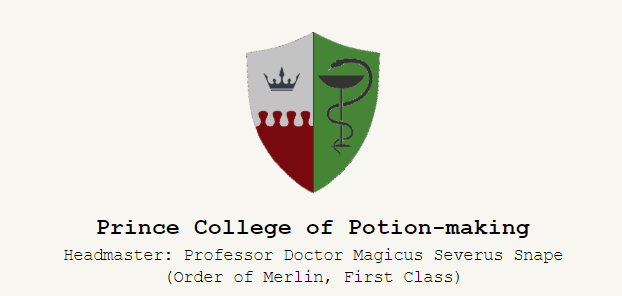
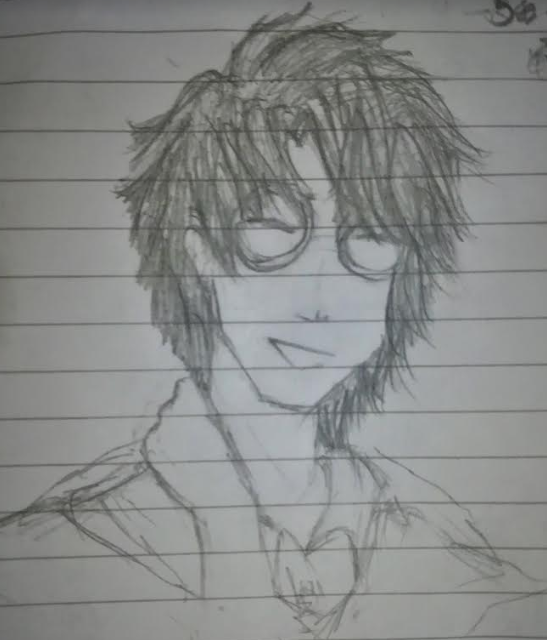




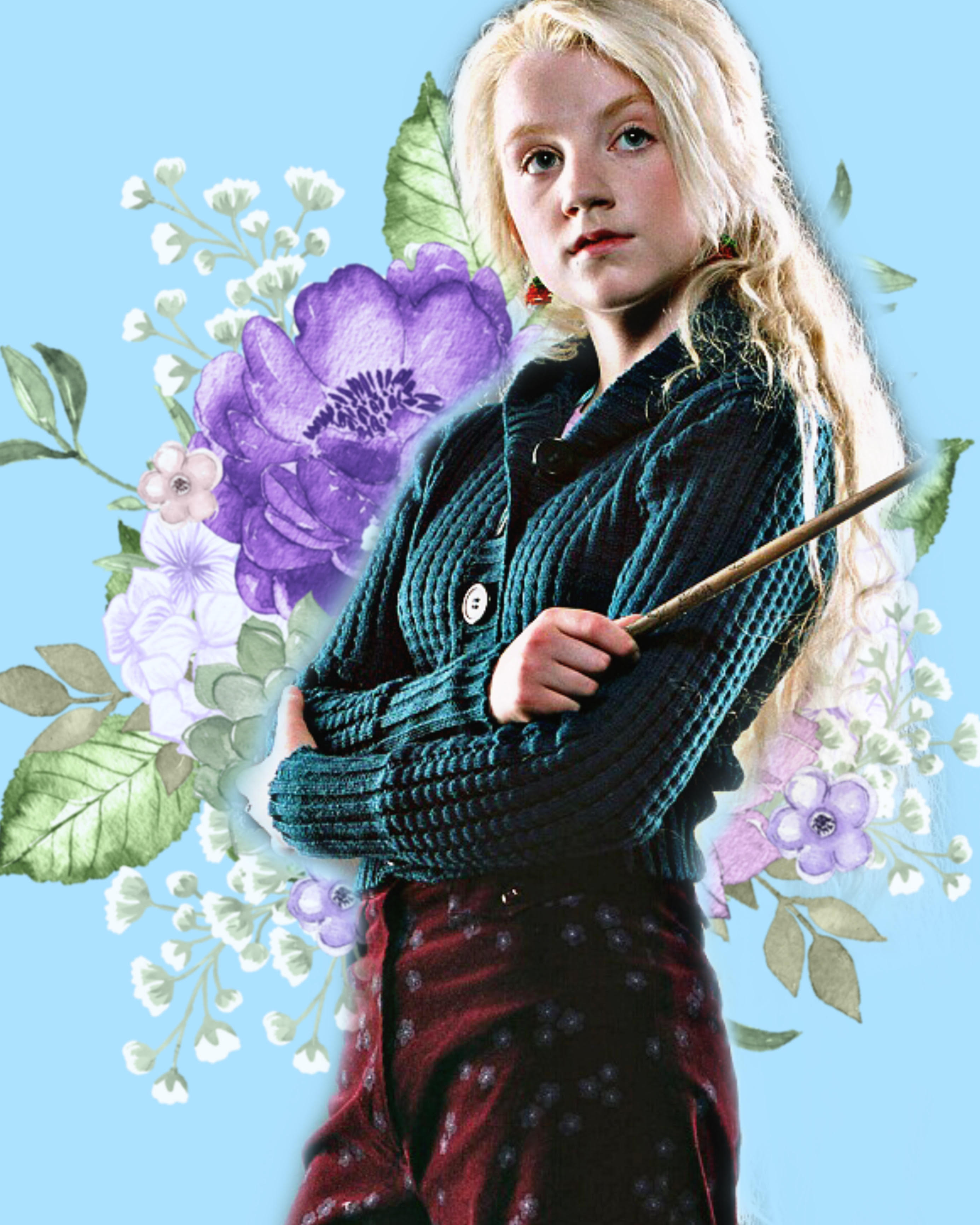

It’s a new season, and I have to say our old logo is so 2018!
We want you to design a new logo. It can’t be just anything, though; there are rules for this challenge.
- It should be defined as a logo: “A symbol or other small design adopted by an organisation to identify its products, uniform, vehicles”.
- The name of the competition (or the acronym IWSC) should be evident.
- Create a clear colour scheme for your submission.
- Link your submission to the wizarding world or writing.
- It should be your own work.
Each student can submit a maximum of three pieces. Each submission will automatically gain 3 points, or a maximum of 10 points for three pieces. The winning logo (or sometimes top three depending on the number of submissions) will get an extra 5 points for their team. One logo will be picked to represent the IWSC, meaning it will be our instagram and twitter profile picture and forum image. If there are three winners, we will have a poll so you guys can pick the favourite.
For this challenge, you can work with other people in your team. Please note, you can only work with others when specified, and a joint contribution counts towards both students’ maximum of three submissions.
Deadline: 23rd January 21 2pm UTC
You should email them to wizardingschoolchampionship@gmail.com and include: Pen name; School; Year.
Dear Severus Snape
Welcome to Dear Severus Snape. Please send me a letter or query if you want me to mock, ridicule, and publicly humiliate you. This article has previously been a place where you could seek help and support in times of crisis. Since Molly Weasley has forced me into continuing it (apparently that one time was hilarious), that’s no longer the case. Good luck, Dunderheads.
I didn’t receive any owls for the first edition, so I wasn’t sure what to write. I tried to palm it off on Molly, but she thought it would be a good idea for me to react to some of your ridiculous fanfiction ideas. After extensive research, I decided to share my thoughts on the various relationships you idiots write me in.
I want you to know: this hurts me a lot more than it hurts you.
Snarry, aka Severus Snape and Harry Potter
Thank Merlin there are only eight-hundred and fifty-eight stories for this one. Someone told me to check out a site called A.O.Three? I was promised I would find more; naturally, I didn’t.
There is something called ‘Severitus’ where I am Potter’s father—equally ridiculous. How do you write both of these things and live with yourselves? I can think of nothing about this pairing that works.
During my research, I found a variety of things that made me physically ill. One of them was Potter calling me ‘babe’ and ‘love’. I have a standard practice to Langlock anyone who uses such terms of endearment!
There are too many negatives to list. I have been told that this must remain T rated, and therefore there are many specifics to this pairing that I cannot mention to you filthy animals. I’d rather read about what Filch and Madam Pince do in the Restricted Section after hours.
Pros: He has his mother’s eyes.
Snily, aka Severus Snape and Lily Evans
Finally, something I can get behind. Why there are only two-hundred and two stories in this category I will never know. I think they are mostly by someone called Verity Grahams. I can only say that this stuff is better than anything else I have ever read, notably that drivel J.K. Rowling wrote. I mean, Lily and James, are you kidding me?
The pros are endless, but I will try. Lily’s porcelain skin is as creamy as Florean Fortescue’s finest vanilla ice-cream. Her emerald eyes shine brighter than the stars in the sky. Her auburn hair cascades down her back like luxurious silk. Her rose-tinted lips are as soft and supple as butter. She is, in a word, perfection.
Pros continued: She’s intelligent, brave, and fierce. She called Potter a toerag that one time. She’s smart and witty, reads profusely, and can hold a good conversation but doesn’t waffle. She won that Potions competition that one time too. She has the soul of an angel. She is my always.
Cons: Gryffindor. If only she had been in Slytherin.
Snucius, aka Severus Snape and Lucius Malfoy
This pairing has forty-four entries. I’ll say this: it’s not the worst idea you’ve had.
When reading, there were some ideas I found repugnant, such as triads (there was a rather saucy one with Hermione as the third). I get very jealous, and so this doesn’t work for me. Apart from the fact that we both appear to be straight, there isn’t that much wrong with this.
Lucius and I get along. He’s smart, and we have similar interests: Muggle-baiting, hating on Potter, ridiculing his child, hating on Potter, we both tend to give up our free will to lunatics (I do that more frequently than him, to be fair), and hating on Potter.
He’s also got great hair, even if it isn’t red. I cannot deny it; he is a stunning man.
Cons: His wife.
Snupin, aka Severus Snape and Remus Lupin
There are eighty-five stories with what I can only describe as the most ridiculous idea in my life. Don’t you lot realise: HE TRIED TO EAT ME.
He was part of a cabal of bullies whose sole goal at Hogwarts was to ruin my life and steal my Lily. Let me tell you, if it wasn’t for them, what Verity Grahams wrote would have happened: Snily could have been canon!
Continuing with the many con’s of this relationship, he’s friends with Sirius Black. He’s covered in scratches—at least everyone else was okay to look at. He can’t brew a decent cure for boils, and that’s first-year stuff. To those of you who say he’s the Marauder who matured, I say he’s grown into an insufferable, self-righteous mutt. He won’t stop trying to apologise because he has to do the right thing, which is only to make me look bad.
Pros: He’s the smartest Marauder (not that that means much if you ask me). I can use his guilt over bullying me to get him to do almost anything for me.
Snamione, aka Severus Snape and Hermione Granger
One thousand four hundred stories exist with Hermione Granger romantically linked to me. Statistics usually help me cope; this one does not. I am hoping that the source of these so-called stories is just one individual and that their life is so pitiful that they spend all their time writing this fanfiction. The idea that this contagion has spread further throughout the fandom profoundly disturbs me.
Firstly, there is her age. I am old enough to be her father, you sickoes! I don’t want to hear any arguments about wizarding lifespans; if I am old enough to help with the conception, it’s a no go for me.
Other cons include: She’s annoying, she’s friends with Potter, she’s a Gryffindor, she’s friends with Potter, she never stops talking, she’s friends with Potter, and she’s an insufferable know-it-all.
It would only be fair to include some pros. She can hold an intelligent conversation (when she takes a breath); she’s not repulsive to look at when she uses Sleakeazy’s; anyone that can brew Polyjuice in their second year deserves a teaspoon’s worth of my respect. If I give her a book, it will shut her up. Since she managed to survive Potter and Weasley, I can only imagine she has the patience to deal with me.
Would you look at that… the contagion is spreading.
I am obligated to state that the opinions presented in no way represent the views and opinions of the Wizarding World News or its members. All opinions expressed belong to a sarky miserable old git with a propensity to skip shower day—the worst day of the year.
One on One

Hello, everyone! I’m Admin Ash, taking over the Interview section of the WWN this season.
Every WWN issue, I’ll pick two people to interview from our community—students, headmistresses, admins, and judges—so we can all get to know each other a bit better (and maybe even get some great writing tips out of it!)
While judges and students get settled into this first round, I decided to chat with a couple of our headmistresses.
Beauxbatons Headmistress, Hemlock
For the first interview, I spoke with one of the competition’s new headmistresses: Hemlock from Beauxbatons. Hemlock varies from bilingual to nullilingual. She’s always forgetting words, and when writing, spends more time on WordHippo than on her word processor. The internet, with its portable thesauruses and dictionaries, is all that keeps her writing afloat!
So, Hemlock, you joined the IWSC halfway through season 1, returned for season 2, and are now here as a headmistress. This competition must be quite dear to you.
It is. The IWSC is the first fanfiction competition I joined after much debate. It’s by far my favourite and the only one I keep coming back to.
What makes it stand out from the others?
A few things. The community is one. I’ve made friends here and have got to know a lot of people. Things like the review challenge and Honeydukes make for a friendly and supportive environment that’s difficult to find in other competitions. The thoroughness of the feedback is another thing. I’m a much better writer now than I was when I first joined.
As a former judge, I concur. There are competitions where the feedback docs are meant only for praise and others where every student must receive over an average amount of points, which defeats the purpose of a writing competition. The IWSC was a very pleasant surprise.
As someone who appreciates improving their writing, would you say that you prefer getting lower scores as opposed to perfect ones?
I’m going to answer that question with a hesitant yes. Perfect scores boost my ego, but the imperfect ones have made me a better writer.
On the one hand, good scores always make me feel good about myself and my writing. They come with an afterglow that brightens my day but rarely lasts longer than that. On the other hand, lower scores make me uncomfortable. After receiving a “bad” score, I might spend a few hours moping or getting annoyed with the judge for obviously not understanding my story. Once I’m done feeling sorry for myself, I go back to the feedback with a clearer head and find that the judge always had a point.
Stephen King has said that the editor (or in this case the judge) is always right. I take it to mean that you agree?
I think so, yes. Even when the judge is wrong, which can happen to everyone, there’s wisdom to be found.
Say a judge doesn’t understand an aspect of my story, one I thought was perfectly clear when I wrote it. I could complain that they didn’t put in a great enough effort when reading my story, or I could consider that part of my job as a writer is clarity. I have to convey my story in a way that everyone—or at least most people—can understand. Objectively, the misunderstanding was my fault.
It’s the same deal with SPaG or pacing or any other judging category. If the judge points out a mistake that isn’t truly a mistake, it’s because there’s something there that they didn’t understand, so I have to take a closer look to figure out why that happened and fix it.
We should have had you monitoring rejudge requests last season, haha.
How long have you been writing?
I was eight the first time I got a story “published” (in the school newspaper). That was fifteen years ago. I’d written before that, and I wrote on and off afterwards.
So you’ve always been a writer. Is that what you wanted to be when you grew up?
What I wanted to be when I grew up varied from month to month. The recurring jobs were that of an astronaut because space is pretty, a café owner because those child-sized toy sets were the height of entertainment, and a writer, although I failed to realise that was an actual career until I was older (I believed that books just popped into being).
I can’t decide if that would make people’s lives easier or harder, haha. Are you hoping to make your childhood dream of being a published author a reality?
I would like to. I have a few dozen ideas for original stories piled up in a word document on my computer, each vying for attention. Some are single sentence snippets, while for others I’ve written scene fragments, character backstories, and drawn maps. I’ve finally decided to focus on one specific idea, and it’s going well. I’m managing to write about a chapter a day for the first draft.
That’s an impressive output! How do you write so much at such a steady pace?
I’ve been terrible about writing in the past, only doing it when the urge struck. The advice that has worked miracles for me comes from Dorothea Brande. She explained the benefits of writing on a schedule—not an ‘I will sit down and write every day after class’ schedule, but a ‘today, at 5 o’clock, I will write for 15 minutes’ schedule. Precision is key.
By stating a specific time (and writing it down in a notebook in ink that I can’t erase), I’m setting myself an obligation rather than a goal. During those 15 minutes, I must write. No research, no talking to friends or family, no playing with my dog, or looking at my phone.
The first thing I do now every morning is open my planner, decide when I’ll be free, and add in my writing time, forcing myself to write every day, even if it’s only for 15 minutes, even if I’m tired. If it’s written in my planner, I write.
That sounds very organised!
It’s the only way I get anything done; that and deadlines imposed by outside forces, but I’d rather avoid the last-minute panic my procrastination forces me into.
We’ve all been there. I’ve got to say, I wish my desk was half as neat as yours is. I love the “Manager of the universe” sign!

Thanks! It was a present from one of my sisters after I helped her fill out a bunch of admin forms.
I think I need you to get in contact with my brothers to teach them how older siblings should act, haha.
I’m also seeing a lot of notebooks. Do you write your stories on paper before moving them onto your computer?
I write bits and pieces of stories in notebooks—dialogue, character backstories, worldbuilding information, things like that—but I always write my drafts on the computer.
Authors like Neil Gaiman have exalted their love of writing first drafts on paper. Why do you prefer the electronic method?
I write faster on the computer than I do with a pen, and I’ve found that I need to write my first draft quickly or else I start thinking about it too much and I lose my momentum.
Can you expand on that?
I’ve come to understand the importance of a terrible first draft. I used to edit my stories as I was writing them, changing every sentence over and over before I’d so much as finished the first chapter. It made me write painfully slowly to the point where I would lose interest in the story. I don’t do that anymore because it’s counterproductive in the long-run. Keeping my writing momentum means that I write more and finish the first draft sooner. Only then do I get to reread and edit.
There’s a lot of good advice there. Do you use those methods when writing fanfiction too or only original stories?
I’ve started using them for fanfiction. I’m rewriting one of my earlier works at the moment. The first version was awful, but it’s now much improved in part because I no longer edit as I go.
That’s your Sirius Black multi-chapter, right? Can you tell us a bit about it?
A couple of years ago, I wanted to read a fic where Sirius Black had a child before Azkaban, but couldn’t find one that fit my expectations, so I wrote The Estranged Convict. It’s gone through a lot of edits since I first posted it, but I still love it. Set during Harry’s third year and told from multiple POV, the story explores new obstacles and new consequences that slowly alter canon events. It’s my most popular story, which is surprising given that it’s an OC fic.
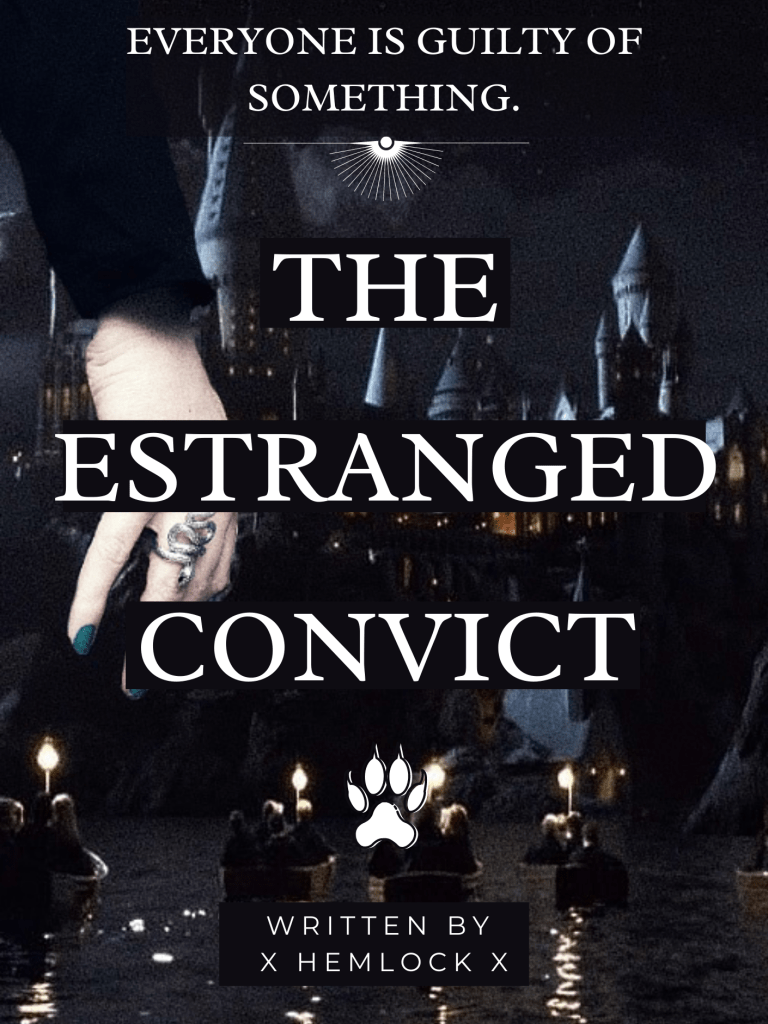
Original characters have a bad reputation in fanfiction. How do you avoid the common pitfalls?
By falling into them and editing my way out. When I first wrote The Estranged Convict, Kali, my OC, was terrible. At 13 she could argue with Aurors, cast wandless magic, back talk Dumbledore, and solve every problem imaginable. I posted it and got good reviews, but I needed something more constructive. I found a website offering just that, and it decimated my story. Every flaw was brought to light, every character torn to shreds, and I went through the five stages of grief in an afternoon. I decided to delete the story from ffnet and AO3 and started editing.
I know what to look out for now, but I still make mistakes, which is why I appreciate anyone who points out the flaws in my stories.
Constructive feedback from readers is the under-appreciated backbone of fanfiction, especially for writers starting out or branching outside their comfort zone.
Speaking of comfort zones, would you rather write a story in the future tense or one told from the second person POV?
I’ve read a few fics written with the “you” POV and have developed an unreasonable hatred for them. I would write a dozen stories in the future tense before even considering using the second person POV.
That’s a very strong reaction. Where does this hatred come from?
I’m not entirely sure. I had a craving for a Supernatural OC story a while ago (and am still looking for recommendations if anyone has any) but most weren’t to my taste, so I decided to give “you” based stories a go. They were designed to be reader inserts, but the second person is such a counterintuitive POV to use. We think of ourselves in terms of “I” not “you”, so the best POV for a reader insert would be the first person.
I find the second person POV neither engaging nor immersive. Writing in the future tense may be unusual, but at least it would be interesting.
You make a strong case against the second person POV. There are actually more books written with that POV than there are books written in the future tense, although there aren’t very many of either. If you look hard enough, you can probably find a book that uses one of these particular techniques in a big enough library—which leads us to the ‘either-or’ question: library or museum?
I feel like I should say library, but I can count on two hands the number of libraries I’ve been to, whereas I would need a whole other set of fingers and toes to come close to the number of museums I’ve visited. There’s so much variety in museums—history, art, science … and there’s always something inspiring to be found in them. A few hours in a museum, and I come out with a dozen or more story ideas.
I hope I get to read those stories someday! One last thing before I leave you alone: you have a recipe to share?
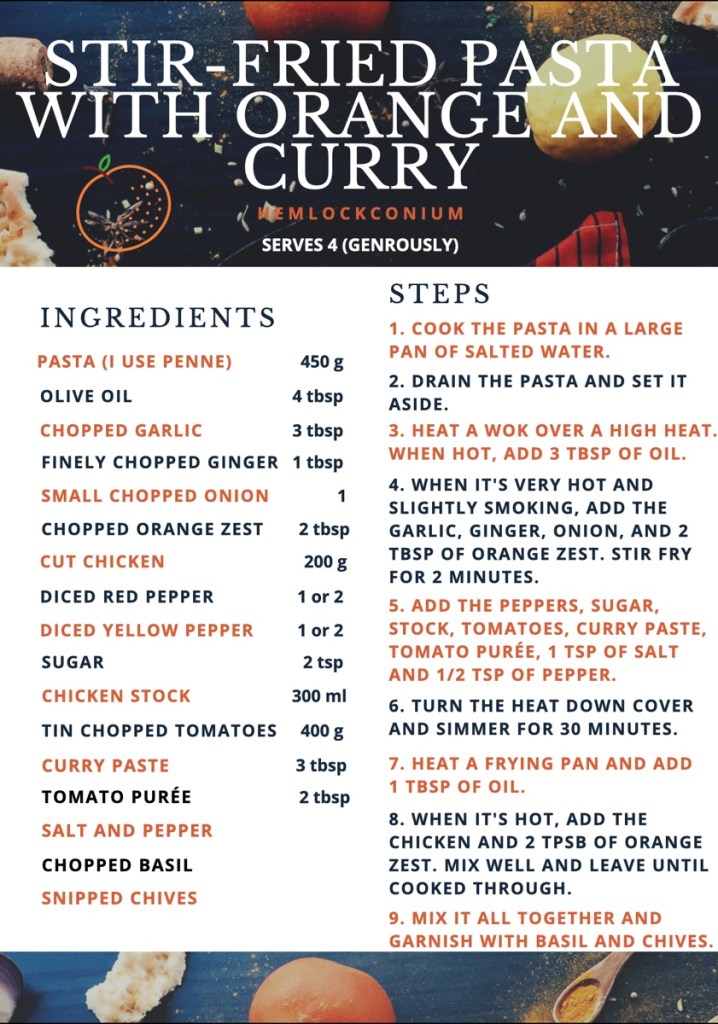
I do! It’s stir-fried pasta with orange and curry. I don’t cook with oranges much, but this is a dish I really like.
Thank you for that, Headmistress Hemlock!

Now, to follow, we have Headmistress Lun!
First of all: can you tell readers a bit about yourself?
I’m an excel-fanatic German who likes to always stay organized. I don’t believe in the chaotic genius or that all truly creative people are messy to the bone.
As I understand it, you were part of the group that first came up with the idea for this competition, so you must be a big fan of Harry Potter. What would you say is your favourite thing in this fandom to read about?
I just followed Verity’s lead to be honest.
I really like Dramione. That’s the good stuff HP has to offer.
Draco/Hermione is a very popular pairing. Why do you think that is?
Ah, we all love the bad boy–good girl trope, no matter how cheap it is. Some admit it and some don’t, haha.

You don’t seem to have a problem admitting it, so good on you, haha. But how well do Draco and Hermione truly fit the bad boy–good girl trope? In canon, Draco is obedient, always doing as he’s told, desperate to please his father. Hermione is an excellent student and a rule-follower on the surface, but not a book goes by without her breaking the rules in big ways (setting a teacher on fire, trapping Rita Skeeter in a jar, trying to trick the house-elves into freedom …) Is the bad boy–good girl interpretation of these two characters not more fanon than it is canon?
Well, Draco is still a classic antagonist and Hermione the good girl, but I like them most when they fall out of their roles and cross those borders. There’s a lot of good in Draco and a lot of bad in Hermione. I like to explore that in my stories too.
JK Rowling did like her grey characters. Exploration and crossing borders are what make interesting stories, but there must be limits, right? How can you tell when exploration has taken you too far?
I really don’t like when characters start behaving in a way that makes me cringe. I don’t mind a little OOCness, but I can’t take when they say or do things that no normal person would do in their right mind. I’m also rarely a fan of characters getting drunk. Very few writers manage to do that without me wanting to throw up and skip the whole section with embarrassment.
And another big no go is badly written arguments. Yea, I want them to fight each other tooth and nail, but I don’t just want them to shout the same hollow phrases again and again without actually doing anything or getting somewhere. Good conflict involves action and reaction.
A very good point, although I know that a lot of readers see OOCness as a big ‘no’. You disagree?
I do. I’d argue that no fanfic can ever capture the ‘real’ character. My theory is that every reader and writer has their own image of a character and we subconsciously look for a story that reproduces that image. I know for sure that the Hermione I like to write and read is very different from the character others refer to as canon-compliant in other fanfics. They all have a piece of the original Hermione, but they have developed in different directions from there. It’s naive to assume there’s just one original. Even JKR has inconsistencies in her writing
Well said. If OOCness won’t make you turn away from a story, what will?
Long paragraphs. In German we have a phrase for that, we call it ‘lead desert’ (“Bleiwüste”), referring to the old lead letters that books were printed with. It just makes everything unreadable for me.
German seems to have all the best words for describing things!
It does, haha.
So, long paragraphs are bad but so are too many short ones, right? Do you have any advice on how to find the perfect length for a paragraph?
I like short paragraphs; they are easy to skim if I want to know what happens later in the story and am too impatient to read properly. I think if you zoom out, it should be an equal mix. It should look like a pattern. More than 5 lines should be used only a handful of times maximum. Especially at the start of a story or chapter, long paragraphs should be avoided. Lure the reader in with short, action-packed lines and then you can ease them into the real story with more descriptive storytelling and longer paragraphs.
An impatient reader, are you?
Yep but that’s because I try to give every story a chance. I try to not be picky and start reading everything that I can find. I give up quickly though if it doesn’t deliver.
What do you do to make sure that readers don’t give up on your stories?
Oof. I’m cheap. I use cliffhangers, lol. I try to always deliver on them, but I can’t keep my fingers off them.
Cliffhangers are good but also torturous! Do you plan how each chapter will end when you first start your story?
Definitely not. I might be organized in life, but my writing is messy as hell. I write from the middle towards the beginning and end usually. I found that writing is easier when I can focus on the scenes I like more first.
That’s an interesting way of doing it. Is there any part of the story (plot, character, climax…) that you figure out before you start writing?
It’s always different. Sometimes the introduction of the story is the first thing I can grasp in my mind, sometimes it’s the climax or just a really intense scene that I quickly write down and then try to construct a story around. The end is always complicated though…
So you’re organized in life but disorganized in writing. What other ‘behind-the-scenes’ tidbits in your life would probably surprise your readers?
That’s a hard question! I’m not sure if it’s surprising, but my pen-name Lun has nothing to do with the character Luna. I just liked the sound and thought it was easy to remember.
And the number 27, is that your age or something else entirely?
Haha, I’m not 27 yet, thank god! It’s just a random number bc ‘Lun’ was already taken.
Usernames already being used (especially by someone no longer active on the site) is a well-known pain, haha. Only a few questions left, so: read an excellent story that is poorly written or read a poor story that is excellently written?
Excellent story that is poorly written. At least I know the writer has potential and with a few well-worded reviews and feedback they can become a great writer. Nothing is more frustrating than a boring plot.
Would you say that it’s easier to improve writing than it is to improve plot?
It definitely is. Everyone can learn techniques to improve. But it’s really hard to learn how to generate good ideas. I don’t want to claim that some writers lack imagination, but it’s a long way to find a good source of ideas for your writing.
Do you have any tips for that? Finding story ideas?
Find something that interests you and work that into your stories. It will add a lot of depth and people notice when you are truly passionate about a topic. I’m very interested in politics so all of my stories discuss a political as well as a moral topic. If you are passionate about flowers, write about flowers! People will love it if they see how much love you put into a story.
Only one question left: morning person or night owl?
Morning person!! I rise with the sun, haha.
That’s lucky! I’m a night owl forced to be a morning person, haha. All right, one last thing: do you have a recipe to share with us?
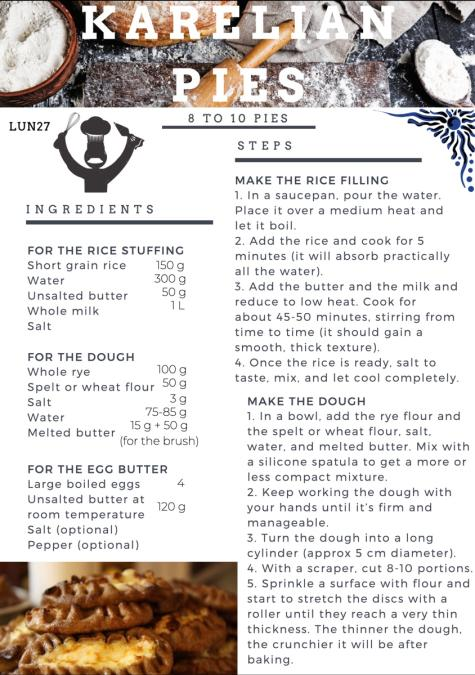
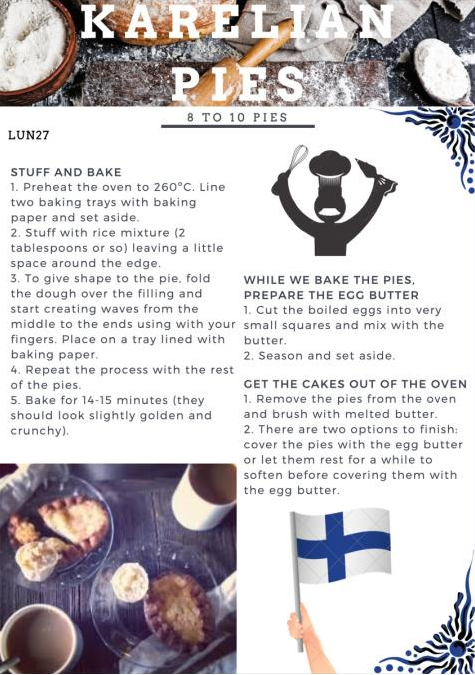
My recipe that I want to share is Finnish rice pies. So delicious!
The lair of madam Pince

Hello, everyone! I’m the new Beauxbatons Headmistress. Headmistress Hope from seasons 1 and 2 (now Admin Hope!) has kindly let me take over the Lair of Madam Pince.
This season, the Lair will be split into three parts: a place to advertise your stories, a spot for story-of-the-week reviews, and a section on how to grow your readership. Now, without further ado:
Advertise Your Fics Here
I’m always looking for story recommendations, and I’m not the only one. If you have a Harry Potter fic you’re proud of or one that you feel isn’t getting the attention it deserves, this is the place to go. For this section of the blog, you get to design ads for your stories. Summaries, quips, excerpts, posters, or whatever else you can come up with are more than welcome.
The rules:
- Be sure to include your fanfiction.net username, the fic’s title, its rating, and trigger warnings if there are any. The rest is up to you.
- You can send more than one ad (only one ad per story) but space them out so that it’s one ad per student per WWN issue.
- Don’t include anything M rated in the ad. The story can have an M rating, but the ad should be a T at most.
- Send your ad to the IWSC email (wizardingschoolchampionship@gmail.com).
Story of the Week
Every week, I’ll pick a story from the Advertise Your Fics section to read and review. I’ll pick which stories to read based on how appealing the ads are, so make them enticing!
How to Get More Views and Reviews on Your Stories
No matter the reason you started writing or how long ago you began, you probably get a little thrill every time someone favourites, follows, and/or reviews one of your stories. Everyone wants to feel appreciated, and fanfiction writers are no different.
The trouble arises when those much anticipated and appreciated views and reviews don’t come. You start asking yourself what you did wrong, what you could do better, and maybe you even lose faith in yourself and your writing.
The goal of this article is to 1) tell you not to lose faith, 2) explain why, and 3) give you some hints that might up the view and review counts on your stories.
Why You Shouldn’t Lose Faith Because of a Lack of Reviews:
On average, stories in the Harry Potter fandom get 6 reviews. That’s across the board—every genre, language, pairing, word count, etc. Six reviews is this fandom’s middle ground. It doesn’t seem like a lot, especially when you see that the most reviewed story of the fandom has 39,000 reviews and counting.
You can double-check this if you want.
- Open fanfiction.net and go to browse.
- Pick a fandom.
- Filter the stories as you please but make sure to sort by reviews.
- Go to the last page to see how many pages there are in total.
- Divide that number by two.
- Click on the URL bar. At the very end of the link, you’ll see p=#.
- Replace the number with the halved result you got and click enter. That’ll take you to the page of stories getting the median number of reviews for your chosen fandom.
Example:
Browse > Books > Harry Potter
Filter:
- Sort: REVIEWS
- Time Range: All
- Genre (A): All
- Genre (B): All
- Rating: K → T
- Language: English
- Length: <5K words
- Status: Complete
- World: All
- All characters (A)
- All characters (B)
- All characters (C)
- All characters (D)
Apply > Last (page) = p#8572
8572/2=4286
Original link: https://www.fanfiction.net/book/Harry-Potter/?&srt=3&lan=1&r=103&len=51&s=2&p=8572
Change it to: https://www.fanfiction.net/book/Harry-Potter/?&srt=3&lan=1&r=103&len=51&s=2&p=4286
Result: 4 reviews
For completed stories, rated K to T, written in English, with a word count that’s inferior to 5,000 words, the median number of reviews is 4.
There’s no way of telling how many views all those stories have, but when I first wrote this article, I had three fics in this range with that number of reviews (I then took my advice, followed the steps I’ll be explaining in the rest of these articles, and my review count went up, so there is some success to be found with this). Let’s look at those three stories.
Story A:
- published: 23/08/2019
- main characters: Hermione, Harry, Ron, Death
- genre: drama/angst
- rated: T
- word count: 2,469
- views: 632
Story B:
- published: 19/02/2020
- main characters: Sirius, Regulus, Walburga
- genre: family/adventure
- rated: K
- word count: 1,032
- views: 93
Story C:
- published: 08/05/2020
- main characters: Harry, Draco, Teddy
- genre: family/friendship
- rated: K+
- word count: 1,754
- views: 182
93–632 is a pretty wide range in the number of views, yet each story was reviewed four times. Does that mean that Story B is better than the other two because the review to view ratio is the smallest? Is Story A better because more people read it? Perhaps Story A only has more views because it’s older or because it was posted on the right day of the week at the right time.
I can’t answer those questions (if you can, let me know). The thing to remember is that the worth of your story can’t be judged based on the number of reviews it gets, and you can’t compare that number to the review counts of the most popular stories in the fandoms you write for.
Keep in mind that readers rarely review. That’s just how it is, and nothing will change it. No amount of begging for reviews or increasing the quality of your work will get your stories reviewed by readers who aren’t in the habit of leaving comments (i.e. the majority of readers), so lower your standards.
Now, it is possible to get dozens, hundreds, thousands of reviews. Keeping in mind that there are a lot of variables, most of which can’t be predicted, I’ve found a few things that do help, and I’ll be telling you about them in future articles.
couples therapy

Welcome everyone to Couples Therapy. Here, we will see what happens when we put two old enemies together, ask them questions, force them to face old issues, and maybe heal some past hurts. In the first issue, we will be talking to Harry and Draco. Let’s see what makes a true rivalry tick!
Hope: Let’s start with an easy question: where did your rivalry start and what fuels it?
Harry: Malfoy always antagonizes me, Ron, and Hermione. He never gives us a moment of peace! Ever since the first time he showed his face in Madam Malkin’s shop, he was rude and arrogant, and when he insulted Ron right before our sorting, and me by association, that was pretty much it.
Draco: I offered my friendship thinking he needed a proper wizard to teach him the ways of the magical world, and he shoved it in my face. Potter always acts like he’s so superior, going around saving people and being instantly known wherever he goes.
Harry: I didn’t ask for that, Malfoy. It was kind of thrust upon me.
Draco: You will never convince me that you don’t secretly enjoy the popularity.
It was at this point that your writer realized that she needed to get the conversation moving before it devolved.
Hope: Okay, moving on—what is something you’ve done to each other that you regret?
Draco: Everything I’ve done to Potter is justly deserved. Although, I admit that trying to have him expelled by convincing him to have a duel at midnight and then ratting on him to Filch was a tad immature, but that’s it! Everything else was clearly justifiable.
Harry: I can’t regret much, to be honest. I only ever acted in self-defense. I definitely regret using the Sectumsempra curse on Malfoy. I didn’t know what it would do, and when I realised, I was furious with myself and ashamed.
Hope: I’m glad to hear that there are some regrets. You know the first step to fixing any relationship is understanding where it went wrong.
Harry: Whoa, relationship?
Draco: Yeah, I’m with Potter on this. Where are you getting “relationship” from?
Hope: Whoa, guys, chill out! I just mean platonically! Although… There are people who think you two are so cute together.
Draco: And why is it that I’ve never heard of this before? How in Merlin would anyone think that I should have a romantic relationship with Potter? We have nothing in common!
Hope couldn’t help but smirk at this.
Hope: I guess they see some sort of passion between you.
Harry: You’re not joking with us? That can’t be a real thing!
Hope: I wouldn’t make that up! In any case, you guys seem pretty riled up by that, would that be the case if there wasn’t truth to that sentiment?
Draco and Harry glared at the writer, so she ended that line of enquiry.
Hope: Don’t shoot the messenger! Anyway… Tell us something you admire about each other?
Harry: Come on, what is this?
Hope: The article is called ‘Couples Therapy’. It’s about fixing relationships… you know, PLATONIC ones.
Draco: Admire? What is there to admire about Potter?
Harry: Hey, you’re not so amazing yourself!
Hope: There’s got to be something. Come on. Dig deep. Really think about it.
Harry: All right, I’ll go along with this. If I must “admire” something about Malfoy, it is his willingness to do what he thinks is right for his cause, but also have the strength to realize when there are true issues with that cause and try to do something about them. He could have ratted me out to Bellatrix and his father when we were caught by the Snatchers, but he didn’t, even though he knew. It was pretty brave, especially when faced with Bellatrix. Are you happy?
Draco: I really like his… broom?
Hope: Draco, you can do better than that.
Draco: All right. I suppose I can appreciate Harry’s dedication to those he cares for. I know I would do anything for Mother. When he went to the Ministry in our fifth year when he thought Sirius Black was captured, he could have left him, or ignored the situation to keep himself and his friends safe, but he was determined to save his godfather.
Hope: That wasn’t so hard, was it, guys? Okay, now, what is something in your life you wish you’d done differently?
Harry: Well, I wish I’d not agreed to this interview.
Hope: A real answer, please.
Harry: I wish I hadn’t gone to the Department of Mysteries when I thought Sirius was there. It caused so much trouble and put us in a terrible situation that was, ultimately, needless. I also would still have Sirius.
Draco: I regret how I treated Crabbe and Goyle, especially now that Crabbe is dead. I treated them like lackeys, instead of proper friends. Goyle and I have gotten much closer after that day, but I wish it hadn’t taken Crabbe’s death to bring that about.
Hope: Draco, I never thought I’d hear you say something like that. You actually sound genuine.
Draco: Don’t get used to it, either of you.
Hope: This is the final question: did you learn anything from this session?
Draco: I learned that Potter can actually be quite thoughtful. Don’t get encouraged, though.
Harry: I learned that even if I still dislike someone, I can consider things from their view sometimes.
Hope: All right, thank you, boys! See you around! And I’ll see you readers for the next session.
Writing Q&A with Ash

Some of you may remember me from season 2 as the judge you least wanted for the finals (and possibly every other round). The good news is that I’ve switched to an admin position, so your stories are safe.
In last season’s feedback, a lot of you asked for more articles on writing. I’m hoping to deliver with this Q&A. If you have a question about writing or you want advice on how to improve, send an email to the comp account (wizardingschoolchampionship@gmail.com) or add your question to the Discord Honeydukes channel (in the right thread).
I have a bunch of degrees that focus on writing, editing, and understanding what makes a good story and writer. I can give informed and up to date answers on most aspects of writing, but try to ask specific questions. I can’t answer a question like “How do I become a better writer?” in a single article. If you only have general questions, though, ask them anyway, and I’ll try to summarise.
Introduction: done. Let’s move on to the Q&A.
Q
How do you come up with new, unexpected plot/story ideas that haven’t been seen before? I’m always in awe of the creativity that some authors’ stories portray, especially in plot. My stories tend to be more character driven, leaving the plot to be less important, but I don’t want it to be boring!
A
Don’t underestimate character-driven stories. A great character can make a bad plot worth reading, but not even a fantastic plot can entice readers to follow poorly written characters. Character-driven stories include a proactive narrator, someone who makes decisions (even if they’re the wrong ones) and gets things done. They’re interesting, and they make readers want to read on. If you’ve got that, then you’re already over halfway to a great story.
To reach 100% (or let’s say 99.9% because perfection is unreachable), the other elements you need are plot and worldbuilding. With fanfiction, worldbuilding is easy. All that’s left is the plot. Your story needs an outside element (or elements) that will force your characters to make decisions and take actions that they would not normally make or take. The more difficult the decision or action, the more conflict your plot will have.
Inspiration is subjective and unreliable. Writers who only write when they’re inspired don’t write very often, but there are ways of encouraging creativity.
#1. Gather your favourite books/films/music/paintings … and make a list of your favourite things about them (if the plot is what you’re struggling with, focus on that aspect).
#2. Create a list of “What if?” questions either off the top of your head or while reading books or the newspaper or watching TV. Once it’s grown to a decent size pick your favourites. Try combining them and see what you come up with.
#3. Use your fears.
#4. Start with a title. Make up a wonderfully fascinating title and from it, create a story.
#5 Let your character lead the way. If you have a plotless character-driven story, the problem may be that you’re being too kind to your characters.
Plots thrive on conflict, so if your characters don’t come across any difficulties, or if all the difficulties are easily resolved, the lack of conflict will lead to a lack of plot.
Total originality in this day and age is nearly impossible, but so is unoriginality (plagiarism being the exception). No matter what you write, even if it’s filled to the brim with tropes and clichés, there will be a touch of originality in it because you’re the one writing it.
Art is a window to the soul. Pieces of yourself will fall into your writing, whether you will it or not, so all that’s left is to make sure those pieces stand out because they are what will make your work original. To do that, you only have to write what you want.
“To play a wrong note is insignificant; to play without passion is inexcusable.”
—Ludwig van Beethoven
Q
Do you have any advice for writing one-shots? I’m always going over the word limit and hacking parts of my story off when I edit.
A
The easiest way to stick to a word count, other than avoiding wordiness and complicated sentences, is to outline your story before you write it. Flying by the seat of your pants can work for long stories, but it’s counterproductive with one-shots.
Remember that short stories aren’t condensed long stories. With long stories, you can focus on the big picture and follow a character’s journey as they struggle to reach their goal, but with a short story, you need to focus on a smaller part of the bigger picture.
For your outline, decide who your character is and what they want. What goal will they reach or not reach by the end of the story and why is that goal important to them?
The next element is conflict. Conflict is the driving force of any story, other than “slice of life” pieces, and it comes in a lot of shapes and sizes. The main categories of conflict are:
- Man against man.
- Man against nature.
- Man against self.
- Man against society.
Choose ONE category and find something that will get in your character’s way. As long it presents itself as an obstacle that can’t be ignored by the main character, it qualifies as conflict.
Do NOT make the conflict overly complex. Remember that you have to resolve it. The more complicated it is, the more words it will take. It’s preferable not to finish one-shots with cliffhangers unless you plan on picking the story back up. Conflict has to be resolved.
The third element of your outline is the ending.
Knowing how your one-shot ends before you start writing it, is important. It will give your writing direction. Ending your story with a twist will be more satisfying to readers than a predictable resolution, but twists should never feel random. JK Rowling has her shortcomings, but one thing she did well was foreshadowing.
Make sure that there’s some character development by the end of your story. You don’t have the words to spare for a big character arc, but let there be some sort of evolution. If there’s no change, you need to revisit the character’s conflict.
Start your story where the action begins. Don’t waste words on exposition. If there’s a sentence or two that needs to be said before you get into the story, make them quick.
If you need to, you’re allowed to tell rather than show some parts of your story because telling takes fewer words than showing. Don’t do this too often. A story that is told is not pleasant to read.
A one-shot can include beautiful descriptions, insightful characterisation, and a wonderful storyline. If you’re struggling to fit all that into your one-shot, go back to your outline. Maybe your character’s goal is too lofty for 3,000 words, or the conflict is too complex. Whichever it is, fix it, simplify it, and try again.
“A short story must have a single mood and every sentence must build towards it.”
―Edgar Allan Poe
Q
Do you have any tips for keeping control of plots? One time I tried to write a longer story, but when I got to writing the eighth or ninth chapter, I’d forgotten the important points I brought up at the very start.
A
There are three types of writers: the plotters, the pantsers, and the hybrids. It sounds like you’re one of the latter two, probably a hybrid.
Plotters plan their stories down to the smallest detail. Before they start the first chapter, they know exactly what’s going to happen and when.
Pantsers don’t plan. They start with a character, setting, or action and let that element take on a life of its own. Pantsers sit down and write, flying by the seat of their pants.
Hybrids are the grey area. They have an idea of where their story is going (the amount of detail varies from one writer to the next), maybe they have a few scenes planned out, but what happens between those scenes is more or less a mystery until they start writing.
Keeping control of plots is easy for plotters. Their downfall is in keeping too tight a hold. If they don’t give their characters, settings, and events room to breathe and grow and instead force them to fit predesigned roles, their story will suffocate.
That kind of suffocation isn’t a problem from pantsers because there’s no control. They dive into the dark with a single flame and hope there are sconces along the way that they can find and light. The pantser’s undoing comes when they don’t find any or enough torches to shed light over their story. The characters lose their way and the plot meanders uncertainly.
Depending on their shade of grey, hybrids face both problems to varying degrees.
From what you’re saying, it seems like you found some torches when you started writing, but you’ve moved forward and now those flames are too far away to see. It’s not a problem.
You have two options:
a) carry on as a pantser, keep writing, and know that you can edit when you’re done, or
b) become an organised hybrid.
If you prefer option b, the thing to do is to take notes while you write. Read your story from chapter 1 and have a notepad, index cards, corkboard, or digital spreadsheet at hand so that you can write down important points and details you want to remember. Here’s a spreadsheet example:
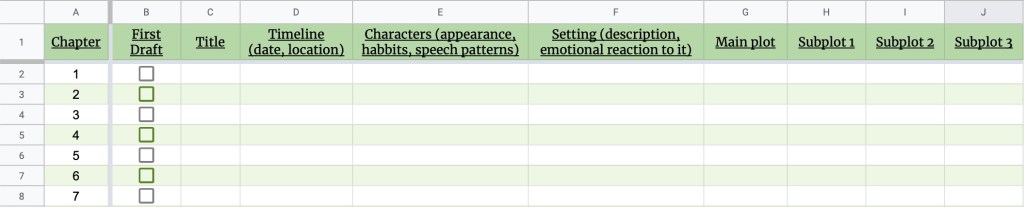
It can become a lot of work, and it’s time spent productively procrastinating instead of writing, so you may actually prefer option a, in which case, finish your first draft, then worry about your story making sense (you can use the spreadsheet method when you edit).
Your first draft is allowed to be terrible and not make sense. In fact, I recommend it. The purpose of the first draft is to get your story finished; quality comes into play when you edit. Plotter, pantser, or hybrid, when the time comes to turn your first draft into a second draft, you will know how your story evolves and where it ends. From there, all that’s left to do is edit and fix your story’s consistency.
Get it down. Take chances. It may be bad, but it’s the only way you can do anything really good.
―William Faulkner
Q
Would you capitalise all potion mentions, even if that’s not it’s actual name? E.g. pain potion, healing potion.
A
Capitalisation is something that JK Rowling, her editors, and publishers failed to be consistent with.
When it comes to the capitalisation of potions, ones with exact names should be capitalised (Draught of Living Death, Elixir of Life, Felix Felicis). If you’re making up a potion, its exact name should also be capitalised (Donkey’s Breath, Anxietatemserum).
The capitalisation of general potions is up to you.
In chapter five of Prisoner of Azkaban, Harry says within his narrative, “Mrs Weasley was telling Hermione and Ginny about a Love Potion she’d made as a young girl”, but in chapter nine of Half-Blood Prince, Hermione says, “It’s the most powerful love potion in the world!”
“He never capitalized doors. But perhaps scholars don’t capitalize words just because of the shapes they make on the page.”
—Alix E. Harrow
Q
Under what circumstances do the spells get italics? Is it all the time or only when they’re being used?
A
Different formatting rules depend on what part of the spell you’re using.
You’re either writing the name of the spell (Bubble-Head Charm, Invisibility Spell, Gemino Curse), in which case, it should be capitalised but not italicised unless you’re adding emphasis to it.
You might write the spell’s incantation (Accio, Crucio, Avada Kedavra), in which case, it should be both capitalised and italicised. However, JK Rowling didn’t always follow her own rules. She wrote ‘Accio’ and ‘accio’, ‘Lumos’ and ‘lumos’, as well as ‘Expecto Patronum’, ‘Expecto patronum’, and ‘expecto patronum’.
“A skeptic, I would ask for consistency first of all.”
—Sylvia Plath
The International Wizarding School Competition League Table
| School | Place | This Round | Points | MVP |
| Hogwarts | 1st Place | x | x | x |
| Beauxbatons | 2nd Place | x | x | x |
| Mahoutokoro | 3rd Place | x | x | x |
| Durmstrang | 4th Place | x | x | x |
| Ilvermorny | 5th Place | x | x | x |

Feel free to contribute to other aspects of the paper by sending a private message to the Competition account. We are always looking for pieces of fanart, and even your thoughts or recommendations. Even if you want to send a message to someone in the competition that you think has excelled, or maybe they helped you out? Send it to Aunt Molly! Anything else should be sent to Wizarding School Championship. In the Subject should be Wizarding World News: [Name the section of the paper you are writing about] depending on what you’re messaging about.
 Wizarding World News